
Regional cooperation among judicial institutions, the legal profession, and civil society plays a crucial role in combating hate speech, discrimination, and hate crimes, as well as in strengthening the protection of the rights of LGBTIQ persons, it was emphasised during the regional consultative meeting for judges, prosecutors, lawyers, and civil society representatives organised by the Centre for Civic Education (CCE).
The meeting was held from 7 to 9 May 2026 in Petrovac and gathered 27 participants from the judiciary, legal profession, and civil society from Bosnia and Herzegovina, North Macedonia, Serbia, Montenegro, Albania, and Kosovo, with the aim of exchanging experiences, strengthening intersectoral and regional cooperation, and improving institutional responses to hate speech, discrimination, and violations of the rights of LGBTIQ persons.
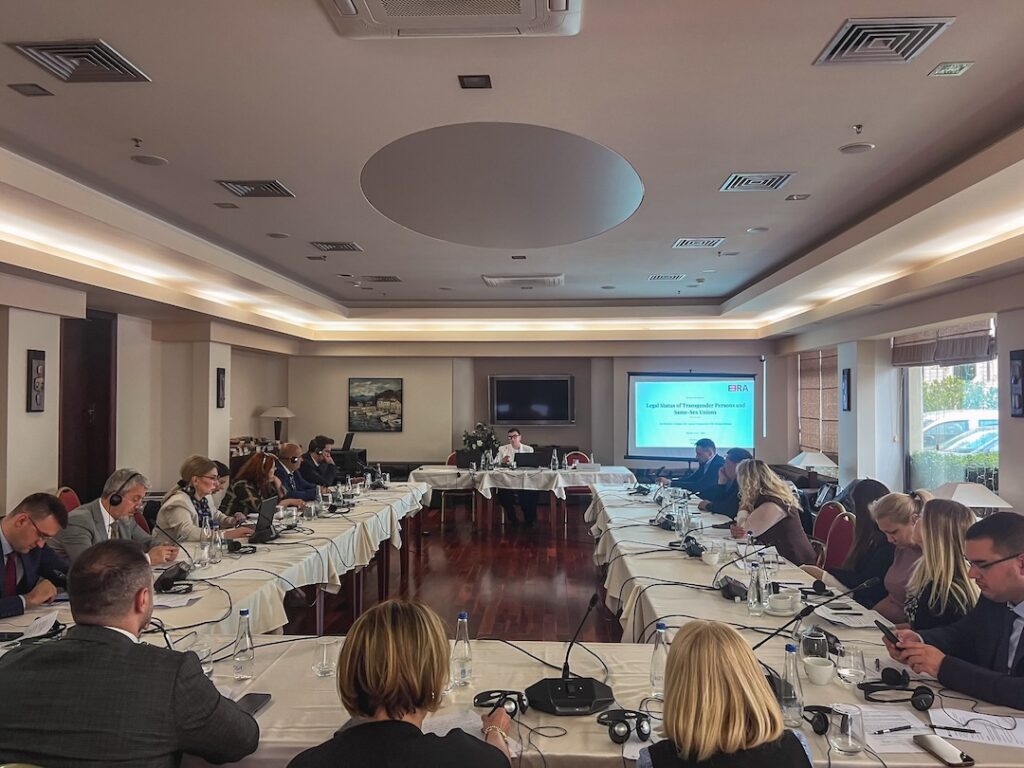
Throughout the three-day programme, participants analysed the situation and trends related to hate speech, discrimination, and hate crimes in the region, as well as European standards, national legal frameworks, and challenges in their implementation. Particular attention was devoted to the standards of the Council of Europe, the case law of the European Court of Human Rights, the legal framework of the European Union, and practical issues concerning the identification, qualification, and prosecution of such cases.
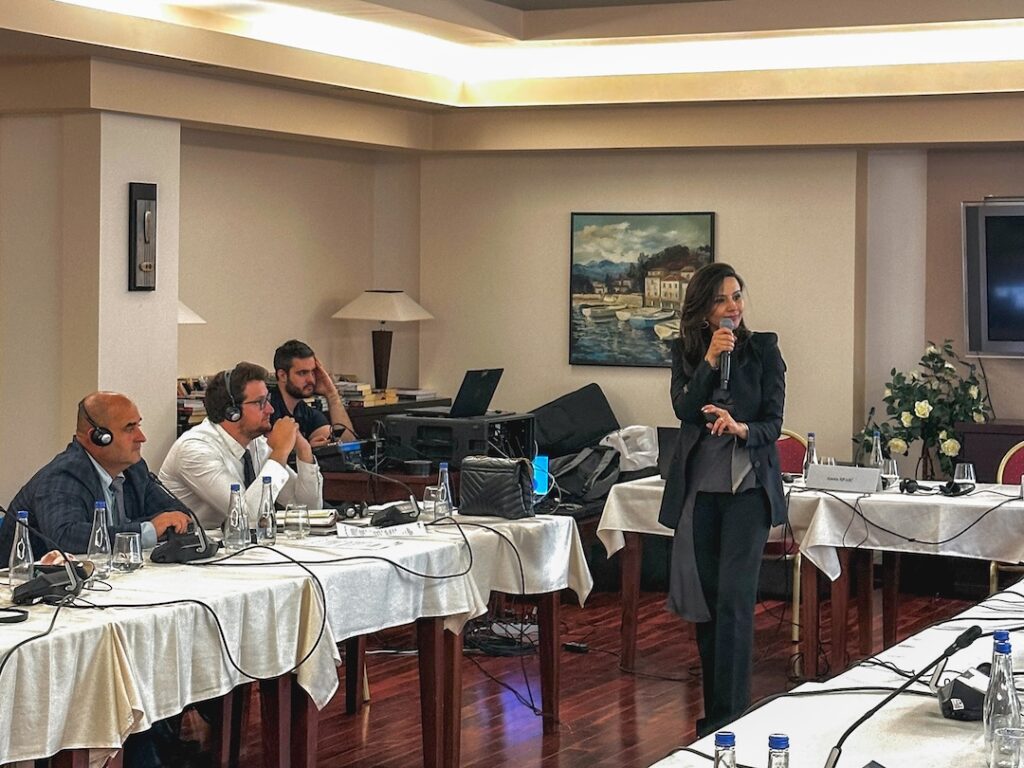
“In the context of safeguarding European standards related to freedom of expression, the prohibition of discrimination, and the protection of the rights of the particularly vulnerable LGBTIQ community, organising this regional gathering is highly significant, especially as it brings together outstanding representatives of the legal profession – prosecutors, judges, lawyers, as well as representatives of non-governmental organisations that are among the most vocal and consistent defenders of European standards,” said Aneta Spaić, Professor at the Faculty of Law of the University of Montenegro and one of the lecturers. “The agenda of the meeting, which includes a large number of relevant speakers, reflects the need to discuss European standards, criteria, and benchmarks at the highest possible level in order to ensure that rights guaranteed under the European Convention and the case law of the European Court of Human Rights are applied equally across national systems in the region,” she explained.
Sonja Prostran from the Balkan Forward Foundation highlighted the importance of involving civil society in such processes. “Cooperation between judicial institutions and civil society actually represents a key element in the protection of human rights. Within this consultative meeting, we are focused on members of the LGBTIQ population, but protecting the rights of any other marginalised and vulnerable group also requires cooperation among all these sectors. I call not only on CCE, but also on other organisations, both non-governmental and governmental, to organise exchanges of experiences like this more frequently and at the regional level. As long as we are still connected, at least to some extent, by a similar legal heritage, we must cooperate with one another and exchange information, because only through such learning can we grow as societies, states, and cultures,” Prostran emphasised.
“For the Western Balkans region, where LGBTIQ persons continue to face uneven protection, institutional barriers, and frequent impunity for violence and hate speech, dialogue and cooperation of this kind are particularly important,” stated Danijel Kalezić, Executive Director of ERA, which is a partner in this programme. “The exchange of experiences, European standards, and practical challenges can contribute to more consistent institutional responses and better access to justice for victims. It is especially important that this meeting aims to establish a regional cooperation network, because the protection of human rights must not depend on borders, but on the shared responsibility of institutions and society,” he concluded.
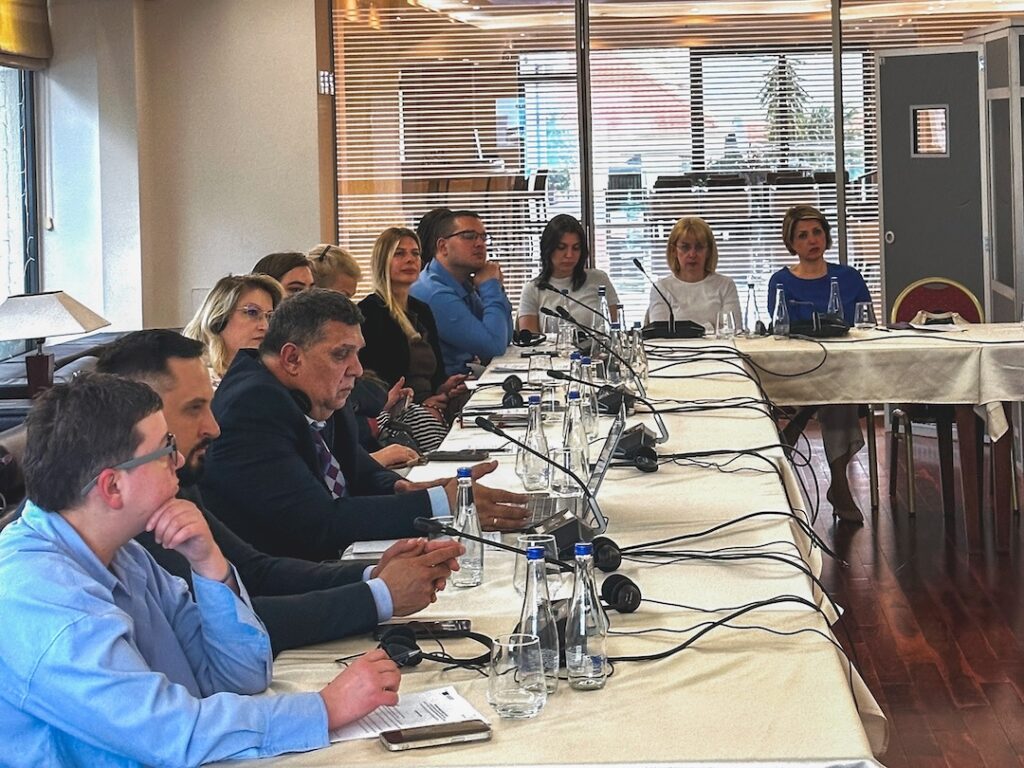
“Regional meetings like this are important because they enable the exchange of experiences, opinions, and practices among representatives of different institutions and countries. This contributes to a stronger institutional response in the protection against hate speech,” stated Zekir Abdulov from the Commission for Prevention and Protection against Discrimination (CPPD) of North Macedonia, who participated in the meeting.
“The countries of the Balkans, in the process of European integration, are adopting modern legislation and formally applying European standards in the areas of freedom of expression, the prohibition of discrimination, and the protection of the rights of LGBTIQ persons. However, there is still room for improving their practical implementation,” assessed Alfred Bala, a lawyer from Albania with more than 35 years of experience in the judicial system as a prosecutor, lawyer, legal advisor, and member of the High Prosecutorial Council. He stressed the need for continuous education of legal professionals, noting that lawyers in the region are still insufficiently specialised in this field. “Regional meetings like this are invaluable for the exchange of experiences among professionals and for strengthening cooperation in the protection of human rights,” Bala concluded.
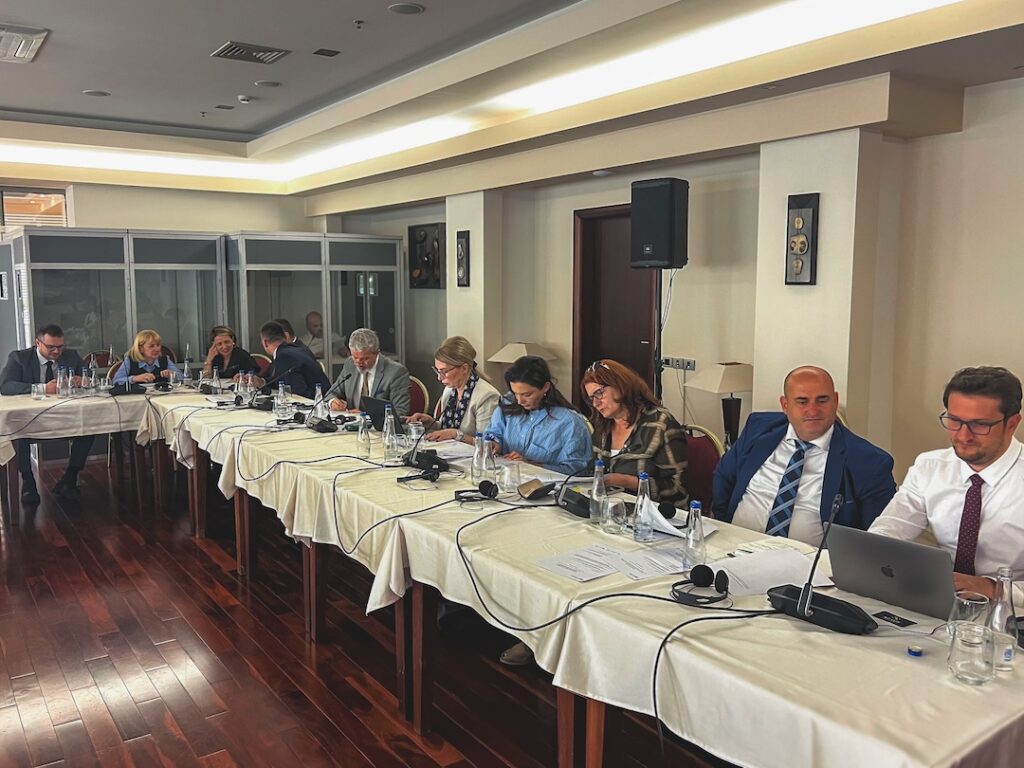
Vlora Veseli, Legal Advisor at the Ombudsperson Institution of the Republic of Kosovo, pointed out that regional exchanges of experiences contribute to a more coordinated and effective approach to protection against hate speech, discrimination, and violations of the rights of LGBTIQ persons. “It is crucial to establish sustainable mechanisms of interinstitutional cooperation, including joint trainings and the regular exchange of information and international standards,” Veseli stated. “It is important to identify challenges in particularly sensitive cases and develop effective solutions to protect victims from secondary victimisation and procedures that could further aggravate their position, thereby ensuring more effective access to justice,” Veseli emphasised.
Jasenka Potogija, President of the Cantonal Court in Sarajevo, assessed that “the exchange of experiences at the regional level on these issues is extremely important, as it enables a better understanding of different perspectives and challenges in combating hate speech and discrimination, particularly in the context of creating common professional standards and harmonised action.”
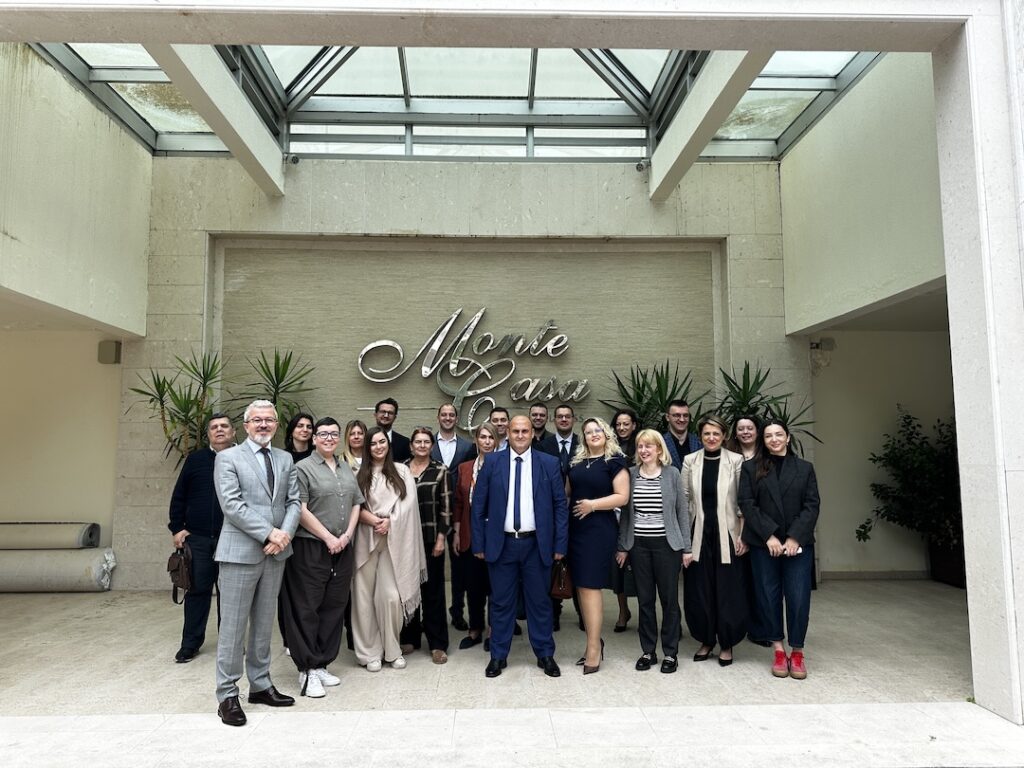
The programme also covered proceedings from the investigation phase to the court outcome, including evidence collection, standards of proof, victim protection, prevention of secondary victimisation, sentencing, victims’ procedural rights, and access to justice. Through interactive sessions, discussions, and group work, participants had the opportunity to exchange experiences from their professional fields and contribute to the formulation of recommendations for improving practice.
The regional consultative meeting was organised within the programme “Together for LGBTQI+ Equality”,implemented by CCE in partnership with ERA – LGBTI Equal Rights Association for the Western Balkans and Turkey, Queer Montenegro, the Queer Centre from Skopje, the Tuzla Open Centre (TOC), NGO OMSA from Albania, and the Centre for the Development of Social Groups from Kosovo, with the financial support of the European Commission and co-financing from the Ministry of Regional-Investment Development and Cooperation with Non-Governmental Organizations.
Rozana Vuljaj, Project Assistant