
The Montenegrin government finds itself in a relatively more favourable political position ahead of the elections than would be suggested by the actual state of reforms and institutional challenges, with the positive public atmosphere and progress in the European integration process not corresponding to the deeper and structural problems of the system. Montenegro’s path depends less on formal political messages and more on building functional institutions, strengthening democratic culture, and resolving outstanding issues in the areas of the rule of law, electoral legislation and political accountability, while the 2027 elections will be a kind of referendum on the character of the state of Montenegro, as well as a test of the political maturity of all social actors, it was stated at the event “Montenegro 2027: A Year Before the Decision”, organised today by the Centre for Civic Education (CCE) and the German Friedrich Ebert Stiftung (FES).

The 2027 Elections Will Decide What Kind of Montenegro We Want
Opening the event, CCE Executive Director Daliborka Uljarević assessed that Montenegro is in one of the most politically significant periods since the restoration of its independence.“The 2027 parliamentary elections are the first elections since 2006 in which European integration will not merely be a declarative foreign policy objective, but a matter of direct political responsibility and the ability to fulfil the final conditions for membership of the European Union, as well as to demonstrate commitment to democratic values. They will show whether Montenegro has succeeded in building a more stable and substantive democratic system or remains trapped in cycles of institutional weakness, polarisation, short-term political calculations and strong harmful influences. For this reason, the 2027 elections will be a kind of referendum on what kind of state we want Montenegro to be, as well as a test of the political maturity of all social actors,” said Uljarević. She also emphasised that optimistic messages about Montenegro’s European future are welcome, but that optimism in itself is not a policy, nor is it a substitute for reforms.
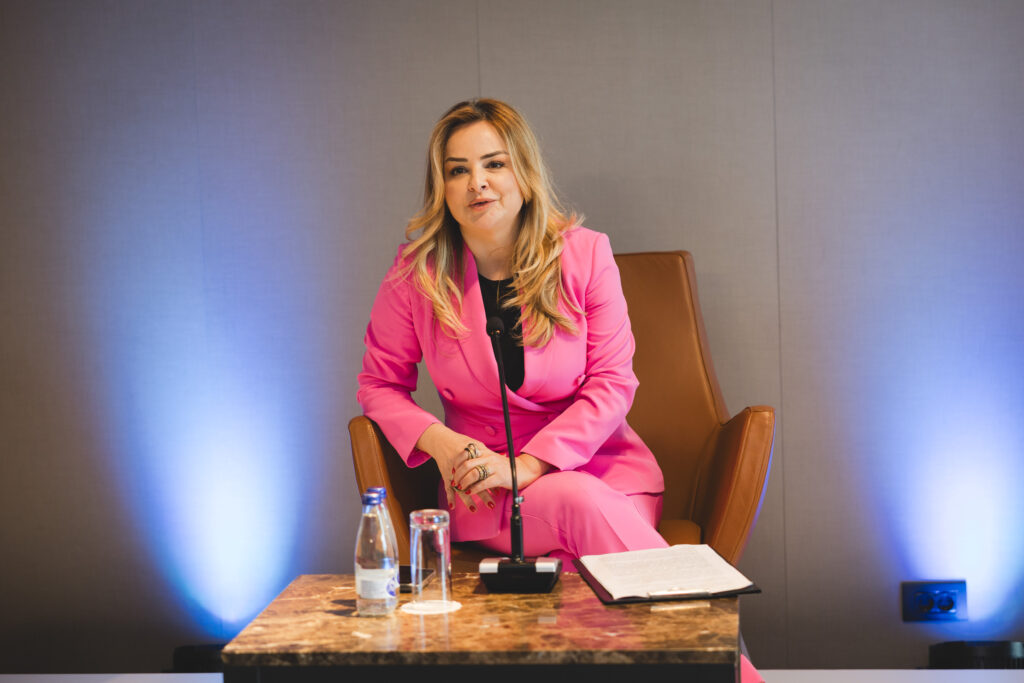
This was followed by the panel discussion “Montenegro Approaching 2027: Balance of Power, Strategies, Issues and Consequences”, featuring Aleksandar Musić, political scientist and political consultant from Croatia, Dr Ana Stojiljković, political scientist and political consultant from Serbia, Dr Nemanja Batrićević, professor at the Faculty of Political Sciences of the University of Montenegro, and Dr Nikoleta Đukanović, professor at the Faculty of Humanities Studies (UDG) in Montenegro. The discussion was moderated by Zvezdana Kovač, CCE Director for Strategy and Communications.
The Montenegrin Government Is in a Much Better Position Ahead of the Elections Than It Deserves
Reflecting on the current situation in Montenegro, Aleksandar Musić pointed out that there is a strong discrepancy between the outward appearance and the internal reality, where developments are unfolding in a way that may determine how future generations will live.“The Europe Now Movement derives its legitimacy and electoral result from support and praise coming from the EU, and that external element has been satisfied. At the same time, however, it is tied to the internal element, in which real influence is linked to the Speaker of Parliament. Within that framework, although a certain European tune is being recited, the state is being transformed from within under the influence of those who are not supporters of the civic character and sovereignty of the state.
The government can be criticised on many grounds, but that only works if someone on the other side manages to present those problems adequately to citizens, and the opposition has so far failed to do so,” said Musić.
Musić also recalled the fact that those born after the referendum will also be voting in the elections, and that with them the “worn-out narratives” no longer resonate, while under conditions of a weak political offer, many things can pass unnoticed. “A true picture of the situation would emerge if one were to compare where Montenegro’s politicians were on 30 August 2020 and where they are today,” he said, assessing that there is room for different political options. “Political struggle requires a serious political response to the existing challenges,” Musić emphasised.
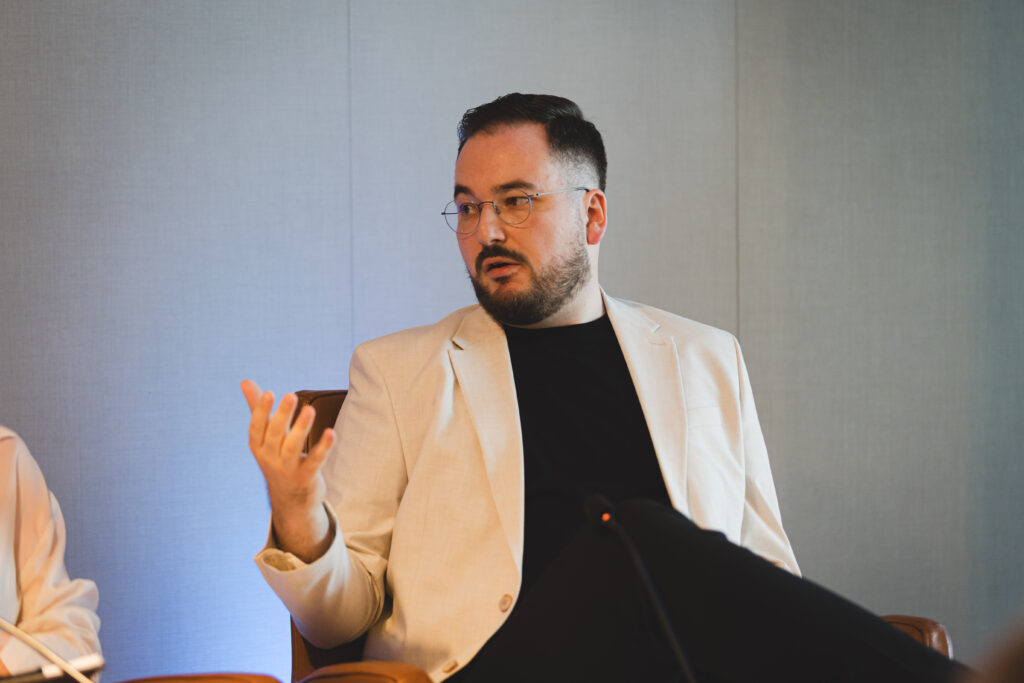
Responding to questions from the audience, he stated that the 2020 elections were not merely the result of church influence, but rather of a broader political process. He described the Serbian Orthodox Church (SOC) as an important political actor that succeeds in achieving its objectives through various forms of activity. “I view politics as a broad field, and within it there is room both for an intellectual, reformist and pro-Montenegrin party, based on a healthy gathering of Montenegrins, and for an option that includes bringing together Montenegrins and Montenegrin Serbs who love Montenegro above all else. Let us not forget that the policy of the New Serb Democracy is to make Montenegro repugnant to them and draw them into a narrative that leads to the SNS-isation of Montenegrin Serbs. The 2020 elections, which ended with the opposition’s victory, were not solely a church-related story. However, that does not tell us who reaped the benefits. Those benefits were reaped by Vučić, Brnabić, and others. Causes and consequences are two different things. As for the SOC, I see it as a political player and a veto actor that achieves its objectives through portfolio diversification. You cannot win that political game through appeals or complaints, but only through a stronger political narrative,” Musić concluded.
Identity Issues Continue to Mobilise Voters More Strongly Than Socio-Economic Issues
Dr Ana Stojiljković highlighted the gap between the issues that citizens identify in surveys as most important and those that actually mobilise them politically.
“My first experience with election campaigns was marked by the question: why do the issues that matter most to people not become the central themes of campaigns? According to all surveys, the economy is almost always the number one concern of citizens, but socio-economic issues in the regional context, on their own, are usually not sufficient to determine election outcomes. In our context, collective identities and collective memories, including those from the Second World War and the 1990s, possess strong mobilising power. By saying this, I am not absolving political parties that use such sentiments for political purposes; rather, I simply wish to point to reality,” Stojiljković stressed. She also assessed that actors on the left often fail to give sufficient importance to these issues, noting that, for example, the Democratic Party of Socialists (DPS) is more widely recognised across the region for identity-related issues, while smaller political actors, due to limited resources, may seek opportunities through specific groups that they are able to mobilise.
Stojiljković further pointed out that young people are generally not oriented towards traditional media, which, she noted, is not necessarily a positive development. “On social media, they are exposed to all sorts of content, and there is no control over it. This has consequences for politics and is certainly not favourable for social cohesion,” she said.
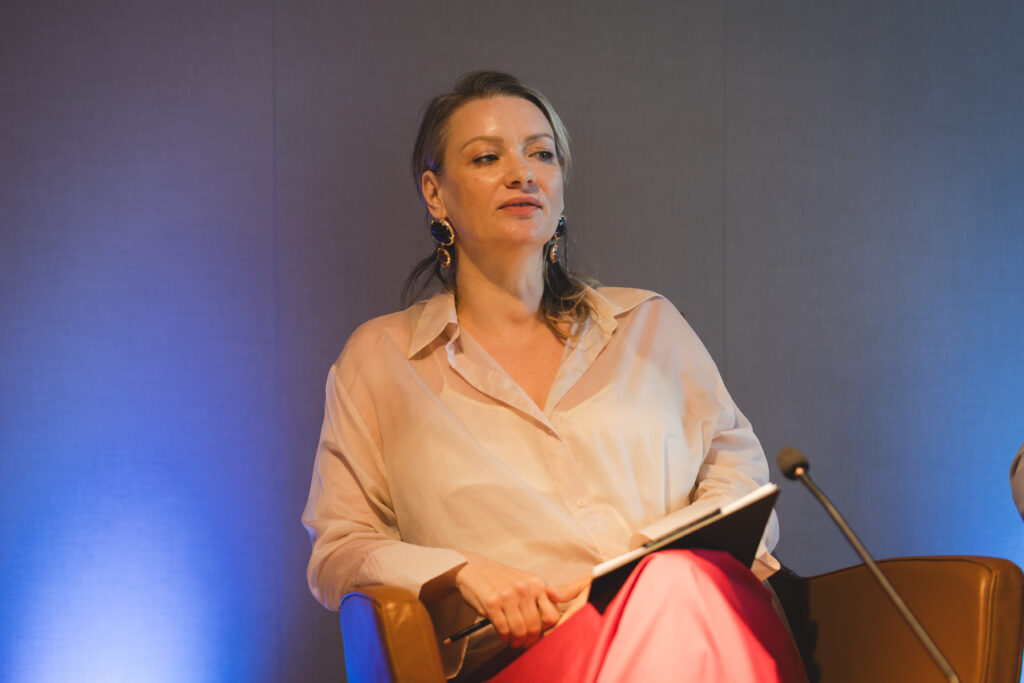
Responding to an audience question, she also addressed the attitudes of young people in Serbia towards Montenegro, noting that research indicates a variety of views even within the student population. “Among young people in Serbia, there is a bit of everything. Research among university students shows that even those who are more conservative or more nationalistically oriented often become more moderate by the time they graduate. But let us not forget that they are, quite simply, products of the society in which they grew up,” Stojiljković explained, adding that among them there are more extreme right-wing orientations as well as civically minded young people, just as there are on the political scene. As the most optimistic framework for the future relations between Montenegro and Serbia, she singled out the process of European integration, assessing that, if successfully completed, it could significantly contribute to easing relations between the two countries.
EU Membership Must Be the Result of Internal Transformation, Not Geopolitics
Dr Nemanja Batrićević argued that EU membership must not be understood as a consequence of international circumstances. “What matters to me is that we reform ourselves from within and that membership comes as the culmination of that process, rather than depending on geopolitics and Russia’s aggression against Ukraine. We are anxious about the election results a year from now, and that should not be the case. What we are unwilling to say out loud is that we are a media colony of Serbia. The fact that we live in fear is something we need to recognise as a community,” he said, adding that society must also speak openly about external influences.
He assessed that political elites advocating European integration have failed to adequately explain to citizens what the process fundamentally entails.“I believe that the average citizen does not understand what the EU brings, beyond perhaps the expectation of a higher salary. The European Union is not just about the economy; it is a far more complex set of values and obligations that must be brought closer to citizens,” Batrićević stated. “I refuse to be emotionally blackmailed as an individual. We are not allowed to say anything critical about the European integration process without being accused of being Eurosceptics. We were pro-European and pro-Western even when that stance was far more ‘forbidden’ than it is today,” Batrićević emphasised.
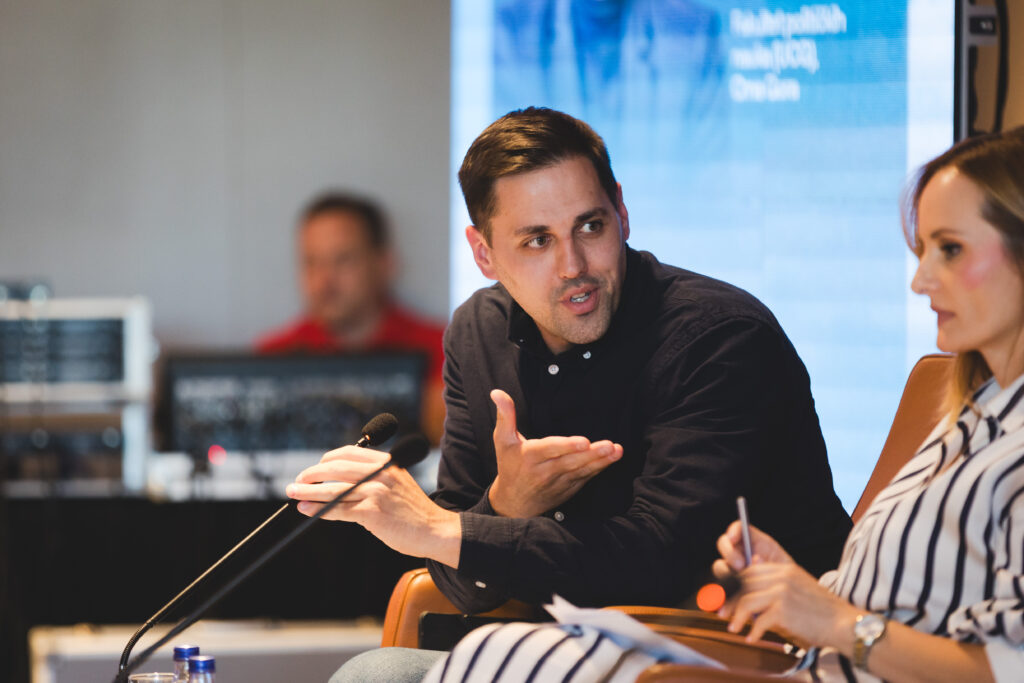
Speaking about the influence of Serbian President Aleksandar Vučić, Batrićević assessed that Montenegrin statehood continues to be challenged and that its institutional and identity pillars remain insufficiently stable. “Montenegro must cooperate with its international partners because it cannot face all challenges on its own if Vučić decides to direct significant resources towards Montenegro in 2027. I do not want Montenegro’s European integration to become a by-product of Vučić’s weakness in Serbia, although I hope he will be weak enough not to be able to harm us,” Batrićević stated.
“Young people consume more content on social media, but when it comes to issues, they understand all of these problems,” he noted, adding that social media are not nationally confined spaces, which makes them a particularly complex arena, especially in the context of hybrid influences on Montenegro. Batrićević also assessed that Montenegro’s opposition suffers from a communication problem, as many of its members were accustomed to being in power for a long time and therefore often maintain a distance, choose carefully which media outlets they appear in, and do not sufficiently adapt their communication to younger generations.“In that respect, the government is more flexible and makes better use of it, while also having access to more media outlets,” Batrićević concluded.
The Lack of Democracy Within Political Parties Is a Key Problem of the Political System
Dr Nikoleta Đukanović reminded the audience of the importance of freedom of thought and a critical assessment of European integration. “There is a perception in the public sphere that you are not a patriot if you say that this process is not progressing as it should. Recently, such views have not been regarded as legitimate criticism but almost as Euroscepticism and hostility towards the state, even though the truth is quite the opposite,” said Đukanović, stressing that Montenegro has not had the conditions necessary to create concrete reforms and changes that would fully serve its citizens. “The success of European integration is too often viewed through an economic lens, while issues of democracy and the rule of law, which should be the essence of the reform process, are pushed into the background,” she added.
Speaking about electoral reform, Đukanović pointed to a number of unresolved issues, including the representation of women on electoral lists, the transparency of the voter register, residency and citizenship records, independent candidacies, the misuse of state resources during election campaigns, and the position of the Roma community.“One often hears that the opposition is obstructing the process, which is completely untrue. In reality, the Electoral Reform Committee was ineffective, and the only issue on which agreement was reached was increasing funding for political parties. When we look at every electoral cycle, we see that there is no political will for substantial reform of electoral legislation because such reform would threaten the existing monopolies of power. We need different rules of the game and different actors,” Đukanović stated.
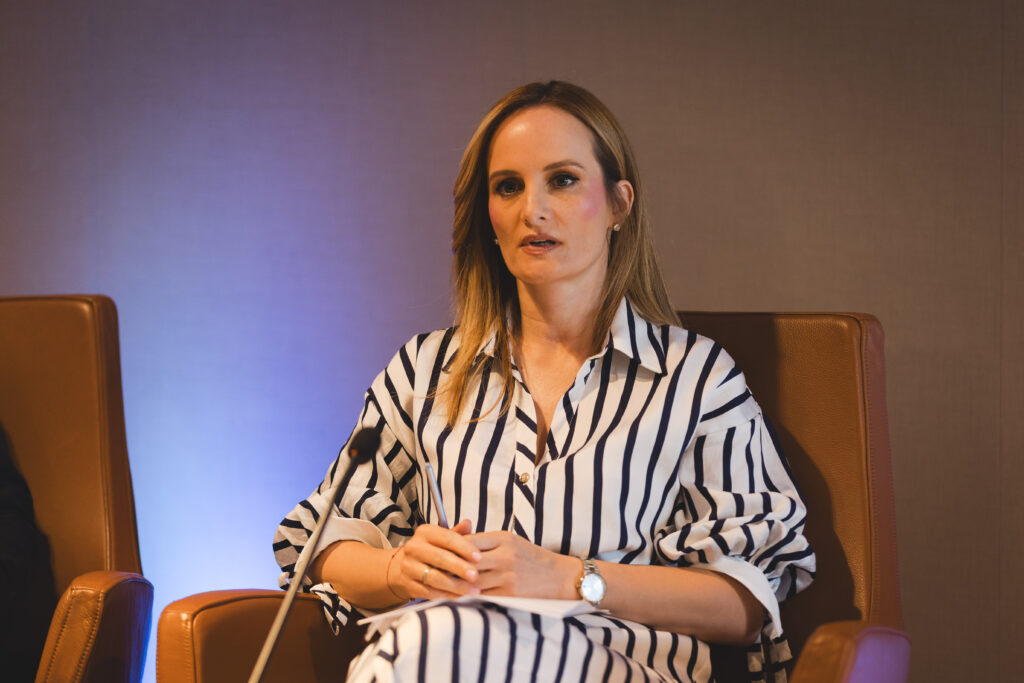
Đukanović assessed that the electoral process can be considered fair, but that it is difficult to describe it as fully democratic given all the unresolved issues.“Reform has so far been implemented only partially, while the overall situation remains unsatisfactory. The closing of negotiating chapters is often politically exploited for the purpose of collecting political points and is presented as a party achievement rather than a shared national success. In many political parties there is a serious lack of knowledge, so a clear distinction is often not made between the party and the state, while in some cases this is, of course, a deliberate and manipulative approach,” said Đukanović, concluding that the lack of democratic culture within political parties themselves represents one of the key problems of the political system.

The event generated considerable interest, bringing together around 80 participants from civil sector, institutions, political parties, media and diplomatic corps.
Nikola Đurašević, Programme Associate.