
Strengthening capacities, exchanging experiences, and fostering regional networking are key to the successful implementation and long-term impact of projects, it was concluded during a three-day event organised within the programme “Advancing Media and Information Literacy for Democratic Engagement – MedIA-Lit.” The event was organised by the Centre for Civic Education (CCE) from 4 to 7 March 2026 in Podgorica, bringing together representatives of non-governmental organisations, production companies, and media outlets to enhance the effective management and advocacy of initiatives in areas of shared focus.
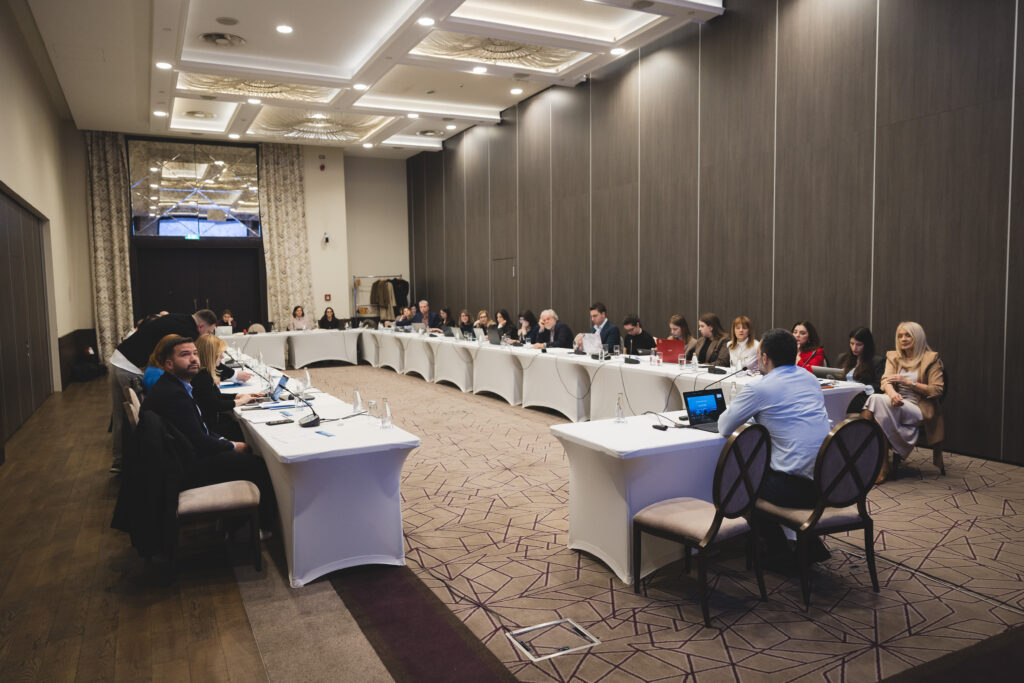
The event gathered representatives of 21 organisations from Albania, Montenegro, North Macedonia, Serbia, and Bosnia and Herzegovina whose projects received support through the recently completed call under this programme, followed by the signing of contracts on the first working day.
“Support to projects of organisations advocating the improvement of media literacy and the quality of media content is extremely important, especially with the rapid development of AI technologies and the spread of disinformation. Therefore, programmes like this play a significant role in creating informed and creative content. The educational event that gathered civil society representatives from five countries, including Bosnia and Herzegovina, was very well designed with the aim of strengthening organisational capacities and connecting actors dealing with media issues, which is crucial for further cooperation and sustainable results,” said Maida Ćehajić Čampara from the Atlantic Initiative in Sarajevo, which is part of the consortium of the MedIA-Lit programme led by CCE.
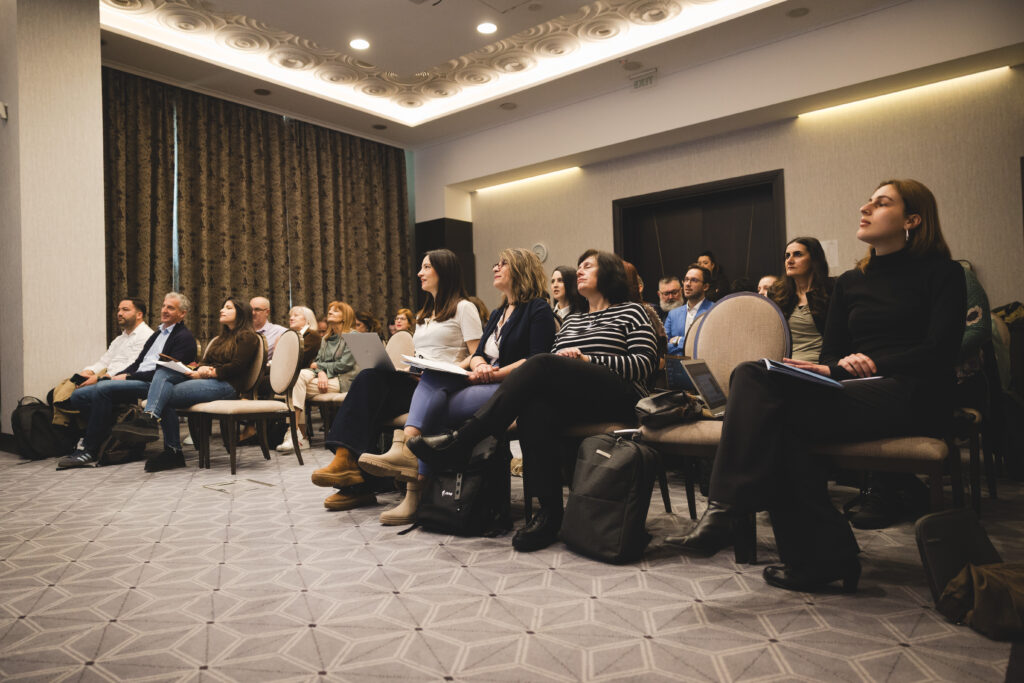
The intensive agenda included sessions presenting supported projects, as well as sessions on project management, narrative reporting, standards in the field of visibility and communications, and rules for conducting public procurement in EU-funded projects. Sessions were also organised on procedures for exemption from VAT for costs covered through EU funds, project financial management and financial reporting. All of this was accompanied by practical examples of good practices to follow. An integral part was also a panel on hate speech and media literacy in the region.
“This support is important for us because we create quality content for audience education, which requires continuity that this programme enables. Capacity building is also significant as it provides us with the confidence that we are entering the implementation phase well prepared. Although ZMAI has experience in managing EU projects, programmes like this help us refresh our knowledge, follow changes and improve the quality of our work. We particularly value the opportunity to connect with organisations from the region, exchange experiences and gain insight into their perspectives, which confirms the potential of the selected projects for long-term impact,” said Jovana Avramovska Nikolovska, Project Coordinator at the Association for Research and Analysis ZMAI from Skopje and editor of the podcast and TV programme “What Moves the World?”
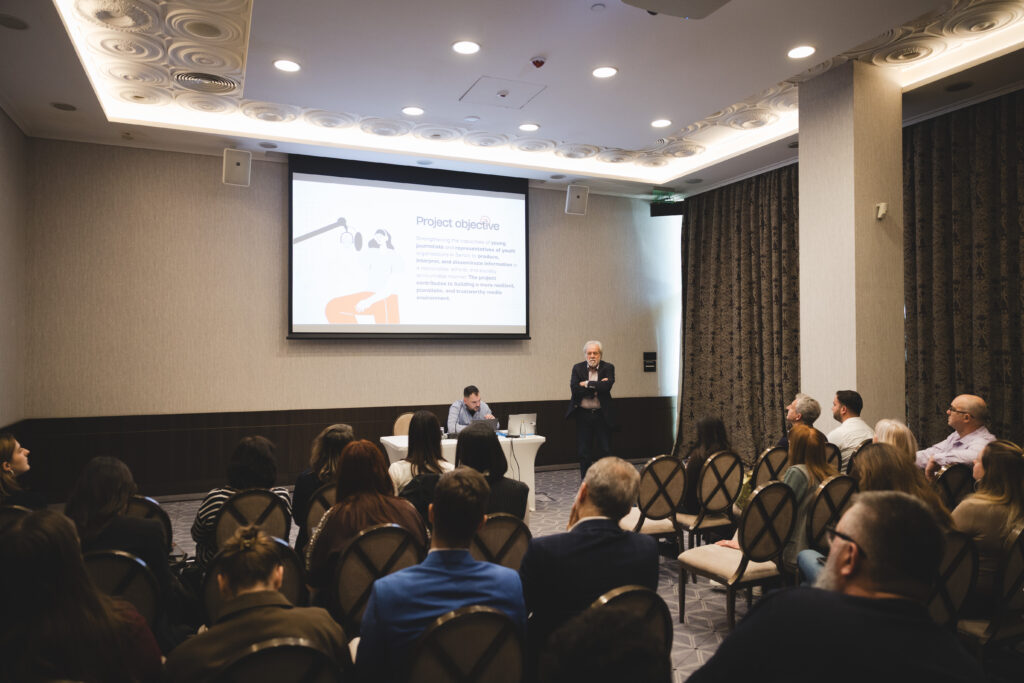
Slaviša Milenković, President of the Centre for Investigative Journalism Kruševac (CINK) and Editor-in-Chief of KruševacPress.com, emphasised the importance of support for the project. “Our organisation operates on the basis of project funding, so each new project enables the continuation of our work. This is one of the two best capacity building programmes we have participated in, and the expertise of the experts who led the sessions empowers us for quality implementation. We also believe we will have support when needed. We appreciate that the event was organised at the beginning, and at gatherings like this everything is valuable – from refreshing and strengthening existing knowledge, to acquiring new skills, establishing new contacts and expanding the network of partners. This will make our work more efficient,” he stated.
The Executive Director of the MINA Agency, Jaša Jovićević, reminded that Montenegro is approaching the final phase of EU accession, and thanks to support through the MedIA-Lit programme, MINA will explain to citizens in a clear and accessible way what the remaining negotiation chapters will concretely change in their lives. “Research shows that the majority of citizens support EU accession, but that the understanding of rights, obligations and standards is still not sufficiently developed, which creates space for disinformation, especially in an environment exposed to malign foreign influence. Over ten months, MINA will produce and publish 20 analytical texts, 10 expert video podcasts and a set of micro-content for social media, and all materials will be freely available to all media in Montenegro. A special segment is the capacity building programme for journalists and editors, preparing the newsroom for reporting at the level required in the final phase of negotiations and the early period of EU membership, which represents a long-term investment in the newsroom’s capacities,” explained Jovićević.
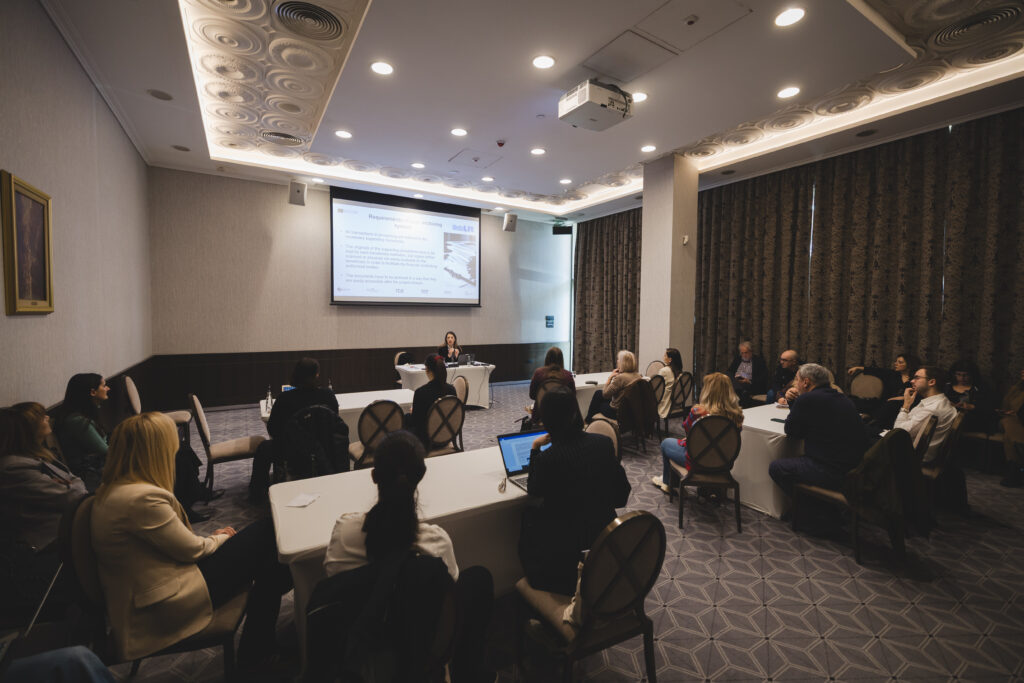
“The Institute of Romani Culture in Albania (IRCA) focuses on empowering vulnerable communities, particularly the Roma community, and advocating sensitive social issues. IRCA manages the online platform Radio Kanxura, which provides alternative media content for the Roma community. Support through this project enables the promotion of media content based on accurate and reliable information and strengthens the capacities of employees for ethical reporting. The sessions organised before the start of the project help ensure successful implementation, but also facilitate the exchange of experiences. IRCA representatives who participated in Montenegro will organise an additional session in Albania in order to share the acquired knowledge with colleagues,” said Tana Aliaj, Programme Manager at IRCA. “Cultural exchange with regional partners enables the recognition of common needs and good practices for improving media literacy and strengthening civil society, and we are happy to be part of this programme,” she concluded.

The final session was dedicated to considering possibilities for joint advocacy initiatives, through which civil society organisations could act in a coordinated manner in response to challenges such as disinformation, polarisation in the public sphere and declining trust in the media.
The MedIA-Lit programme is implemented by CCE, in partnership with the Helsinki Committee for Human Rights in Serbia (HCHRS), the Helsinki Committee for Human Rights in North Macedonia (MHC), the Tirana Centre for Journalism Excellence (TCJE) from Albania and the Atlantic Initiative (AI) from Bosnia and Herzegovina, with financial support from the European Union and co-financing from the Ministry of Regional-Investment Development and Cooperation with NGOs of the Government of Montenegro.
Itana Gogić, Programme Assistant