
A professional and responsible approach by the police towards LGBTIQ+ persons is a systemic obligation. Therefore, it is particularly important that future police officers, already during their education, develop the knowledge, sensitivity, and professional standards necessary for appropriate action in cases motivated by hatred and/or homophobia and transphobia. An effective institutional response does not rest solely on formal knowledge of regulations, but also on the ability to recognize the specific circumstances in which LGBTIQ+ persons find themselves, as well as the consequences that inadequate institutional conduct may have on their safety and their willingness to report violence. These were the key messages from today’s training for participants of the Police Academy in Danilovgrad, organized by the Centre for Civic Education (CCE) in cooperation with the institution.
The training was led by activists Aleksandar Matić and Vuk Adžić, and its aim was to sensitize and empower future police officers to work with LGBTIQ+ persons, while strengthening their capacities to respond appropriately in situations marked by hate speech, discrimination, and violence.
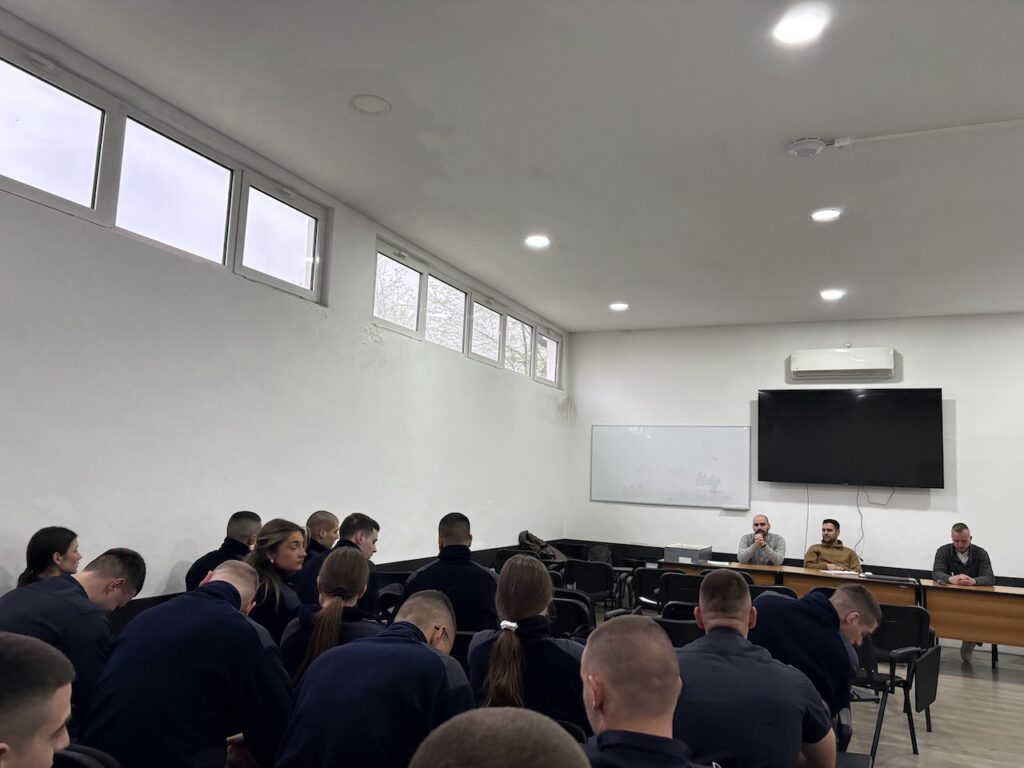
Aleksandar Matić assessed that police officers can adopt the legal framework, but that such knowledge remains insufficient if they do not understand the essence of LGBTIQ+ lived experiences. “These experiences are diverse and personal. It is precisely through them that future police officers can realize that we are all different, and that sexual orientation is only one segment of the broader spectrum of human diversity. Sessions like these help future police officers develop empathy, understanding, and professional responsibility, which are crucial for the conscientious, ethical, and impartial performance of police duties,” he explained. “It is very important that young police officers, already during their education, develop an awareness that no one should be treated differently simply because they are ‘different’. Education should work towards their sensitization, so that in their future work they act in accordance with the code of ethics and the principles of professional and impartial conduct,” he added.
Through interactive work and the “Living Library” workshop, participants had the opportunity to become more directly acquainted with the identities, personal experiences, and challenges that LGBTIQ+ persons face in everyday life. This format enabled an open discussion on how prejudice, stigma, discrimination, and violence affect the lives of these individuals, as well as how they cope with such experiences, seek support, and build relationships with institutions.
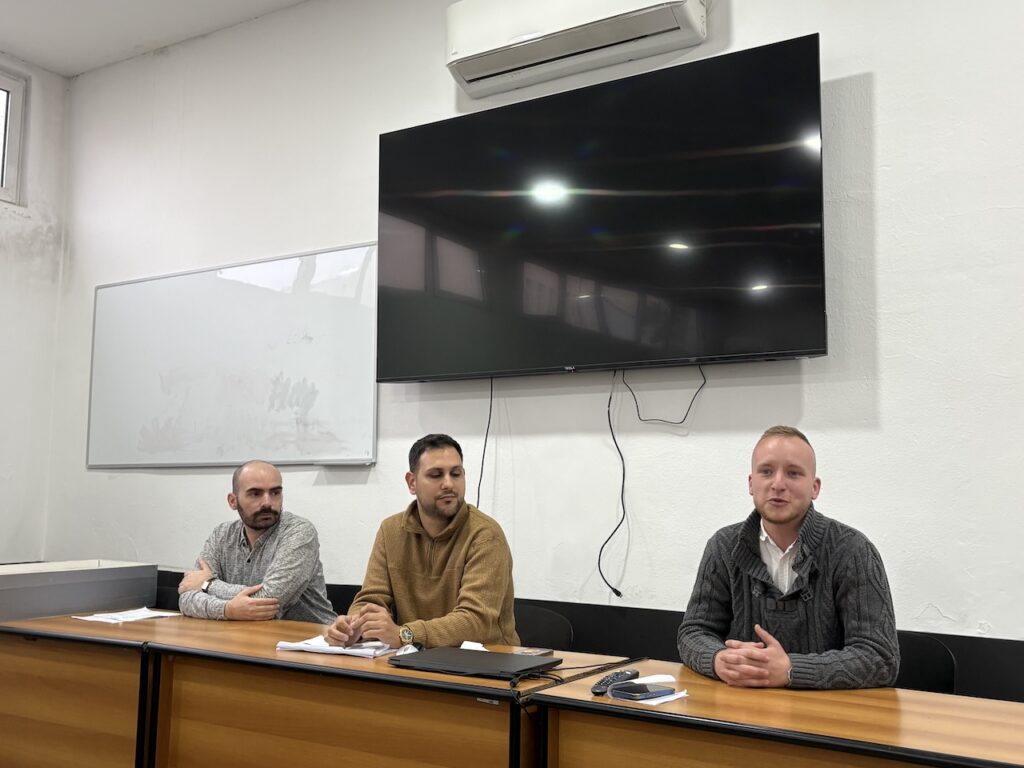
“Understanding the experiences of LGBTIQ+ persons enables the police to act professionally, empathetically, and without prejudice. When officers are aware of specific challenges, such as stigma, discrimination, and fear of institutions, they are more likely to assess situations properly, provide adequate protection, and build trust with the community,” said Vuk Adžić. Work with police institutions, especially with those still in the education process, is extremely important, as this is when they adopt the knowledge, attitudes, and approaches that will later shape their relationship with victims of violence. “Inadequate institutional conduct can have serious consequences, as it further deepens distrust and fear among victims. If a person encounters misunderstanding, minimization of the problem, or a discriminatory attitude, there is a high likelihood that they will no longer report violence or seek help. This not only leaves perpetrators unpunished, but also increases the risk of repeated violence and further isolation of victims,” Adžić warned.
The training gathered 24 participants and was organized within the project “Through the Kaleidoscope of Diversity – Better Perspectives for LGBTIQ+ Rights,” financially supported by the Ministry of Human and Minority Rights.
Itana Gogić, Programme Assistant