
Findings from public opinion research, as well as concrete and disturbing cases of peer violence, call for action and an urgent shift in the current approach – one that includes a clear strategy and coordinated efforts among institutions, civil society, parents and young people. The manner we treat young people today will determine the kind of society we will have tomorrow. If we fail to provide them with a safe environment, clear values, and functional institutions, we risk perpetuating new cycles of violence and distrust. These were some of the key messages delivered at the opening of the final conference of the project “HEART: Supporting the Empowerment and Resilience of Youth Today,” implemented by the Centre for Civic Education (CCE) in partnership with the Regional Academy for Democratic Development (ADD), with the support of the EU Delegation to Montenegro and co-financed by the Ministry of Public Administration.
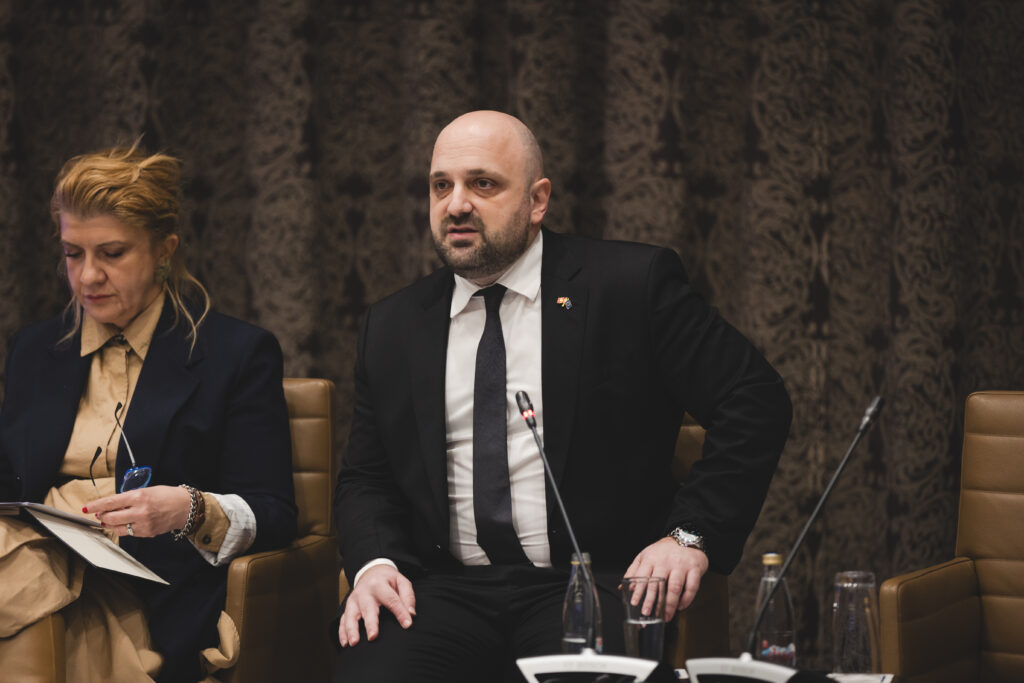
“Society often forgets that a child must be protected, yet today children are exposed to various forms of violence on a daily basis. This is not only our challenge, but one faced by the modern world as a whole,” said Minister of Justice Bojan Božović, recalling the case law of the European Court of Human Rights, which emphasizes the importance of protecting children’s rights.
“On March 12, the Government adopted the Draft Law on Amendments to the Law on the Treatment of Minors in Criminal Proceedings, aligning it with EU directives and international law. This strengthens procedural safeguards for minors, including the obligation to consider the best interests of the child and to protect their dignity and integrity. However, I must stress that once we reach the stage of applying criminal provisions, we are already too late. That is why prevention is crucial, so that the number of cases requiring prosecution can be minimized,” Božović stated.
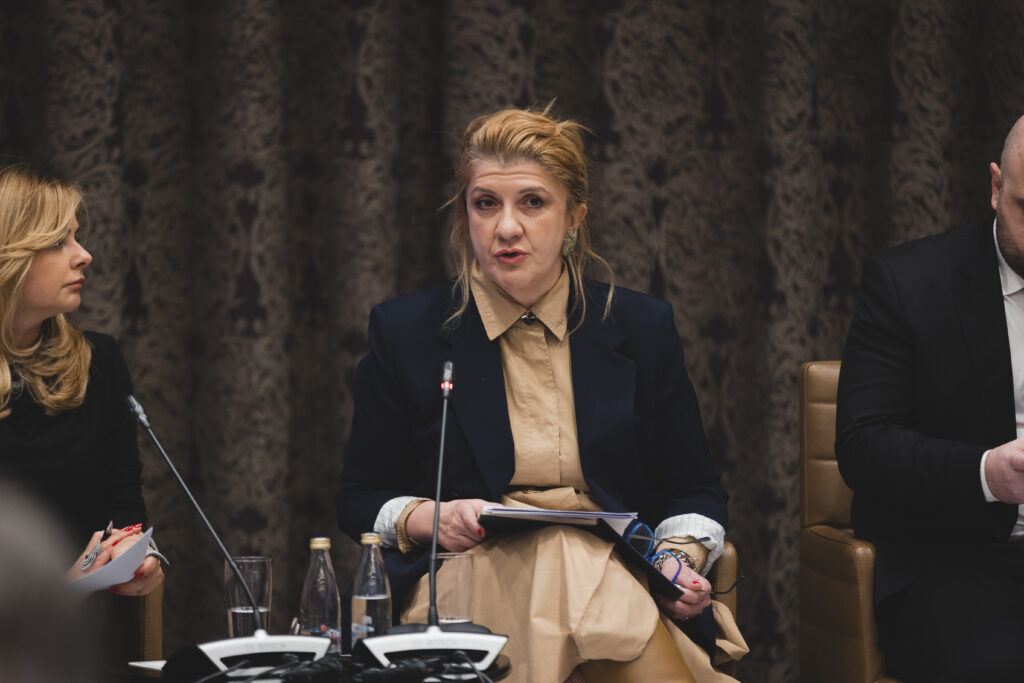
“It is extremely important not to remain silent about violence, especially in the school environment,” emphasized Tatjana Ćalasan, State Secretary at the Ministry of Education, Science and Innovation. She noted that the Ministry is involved in numerous projects and initiatives with international and non-governmental organizations, and that continuous efforts are being made to strengthen the protection of students and staff, as well as to improve conditions for quality education.
“Our work focuses on the safety of students and staff, the quality of education, and broad inclusion. We strive for every response to be non-judgmental, calm, and primarily directed toward protection and support for those who need it most,” she added, underlining the importance of joint action by all stakeholders – Government, schools, parents, students, professional services, local communities, and international partners.
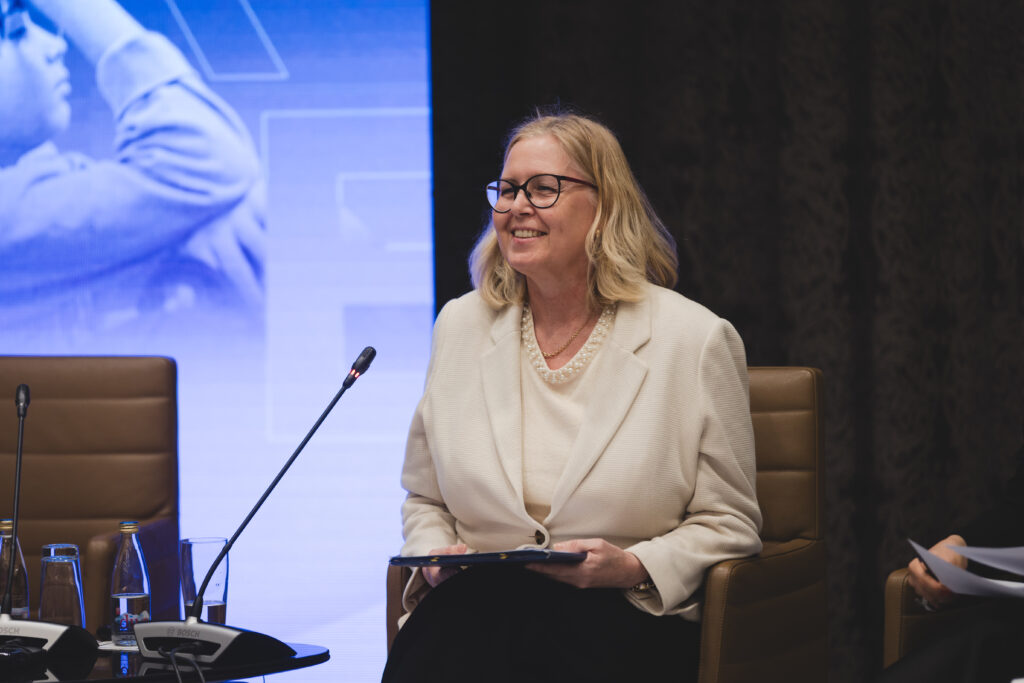
Liselot Issakson, Deputy Head of Cooperation at the EU Delegation to Montenegro, highlighted that young people are the future of society and that adults have a responsibility to support them in preparing for future roles, in both favourable and challenging circumstances. She reminded the audience that the EU has supported numerous youth-focused projects.
“I am pleased that the EU has supported the ‘HEART’ project, which applies a multisectoral and multidisciplinary approach, because the issue of juvenile delinquency and peer violence cannot be addressed by a single institution, but requires the engagement of various actors,” she said, stressing the importance of a system focused on resocialization and education rather than repression.
“The further development of the juvenile justice system should focus on functional and specialized institutions, continuous training of professional staff, the development and wider use of alternative sanctions, and the inclusion of local services and NGOs. The prison system should be used only as a last resort, with separate facilities ensured for minors,” Issakson explained.
She also emphasized that youth remain high on the agenda of the European Commission, through an approach based on engagement, empowerment, and connectivity.
“Peer violence and juvenile delinquency are not isolated incidents – they reflect the broader social context in which young people grow up and which shapes their development. Unfortunately, that context is becoming increasingly challenging. We are witnessing the relativization of values, attempts to distort them, slow and inconsistent institutional responses, and a shifting of responsibility. Therefore, these phenomena require a systemic and coordinated response,” said Daliborka Uljarević, Executive Director of the CCE.
She recalled CCE research showing that 65.7% of the general population believes peer violence is present, while 44.2% know someone who has been a victim. Among high school students, 89% recognize some level of violence in their environment, 21.6% report being victims themselves, and 53.4% know someone who has been a victim. Regarding juvenile delinquency, 55.7% of adults believe it is present, while every fourth respondent knows a minor in conflict with the law.
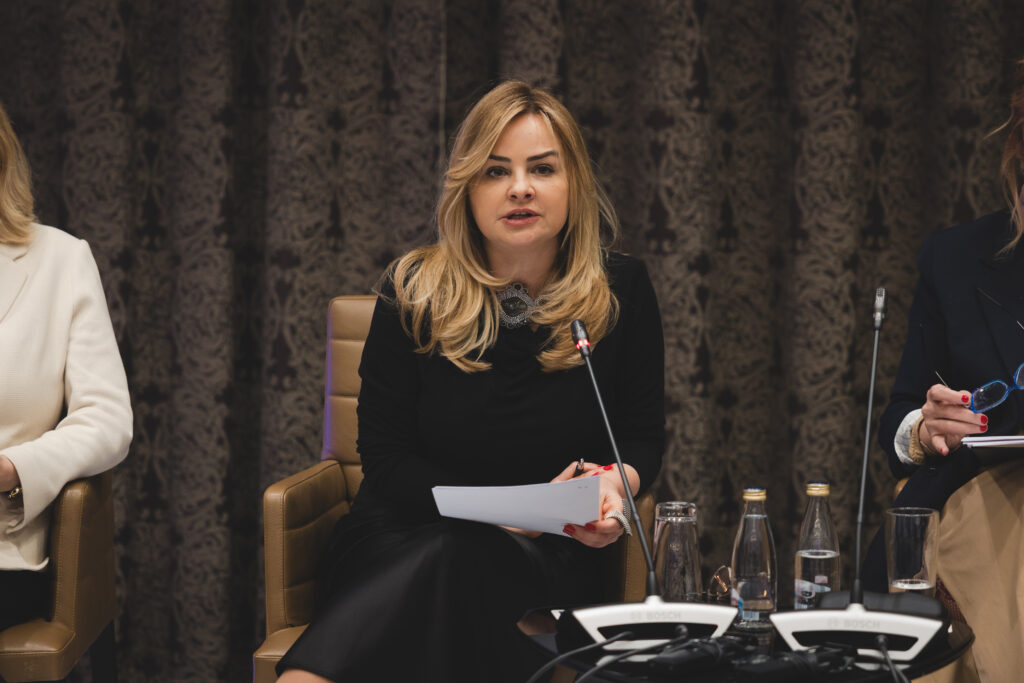
“It is clear that no single institution can solve these problems alone. Continuous cooperation is needed among the education system, judiciary, police, social services, media, and civil society. It is equally important that public discourse does not normalize violence, but instead builds a culture of responsibility, empathy, and mutual respect while political actors also have a significant role to play in this,” Uljarević concluded.
Alma Novalić, Programme Assistant