
Understanding digital rights, such as the protection of privacy and freedom of expression in the online environment, is essential for the safe, ethical, and responsible use of modern technologies. This was one of the key messages of the training on digital citizenship for education professionals, organised by the Centre for Civic Education (CCE) on 2 and 3 April in Kolašin.
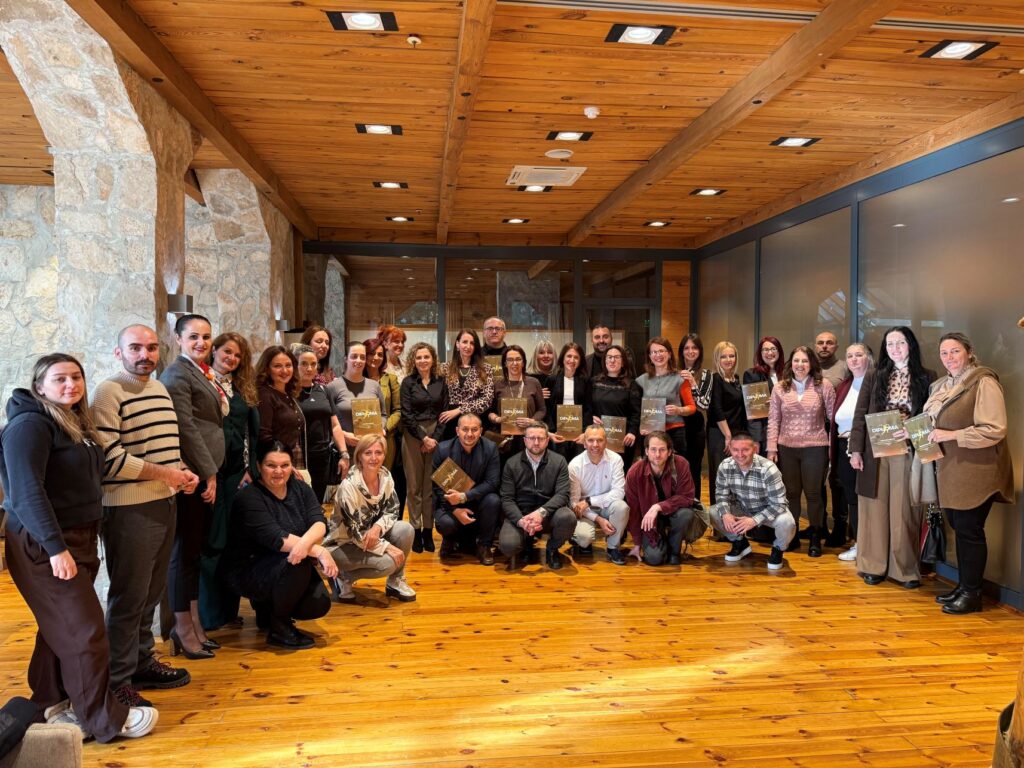
The two-day training brought together 32 participants from primary and secondary schools across 12 Montenegrin municipalities – Nikšić, Bijelo Polje, Danilovgrad, Berane, Pljevlja, Podgorica, Rožaje, Kolašin, Cetinje, Herceg Novi, Zeta, and Plav. The group included school management, teaching staff, and professional support services. Through interactive sessions and practical examples, participants deepened their understanding of digital citizenship and enhanced their capacity to protect the digital rights of young people they work with daily.
On the first day, participants were introduced to the concept of digital citizenship, with a particular focus on the use of artificial intelligence in education and the importance of personal data protection, including the right to be forgotten. The second day focused on supporting victims of cyber violence, using digital tools for active democratic participation, and recognising and verifying disinformation, followed by group work focused on developing digital citizenship initiatives.
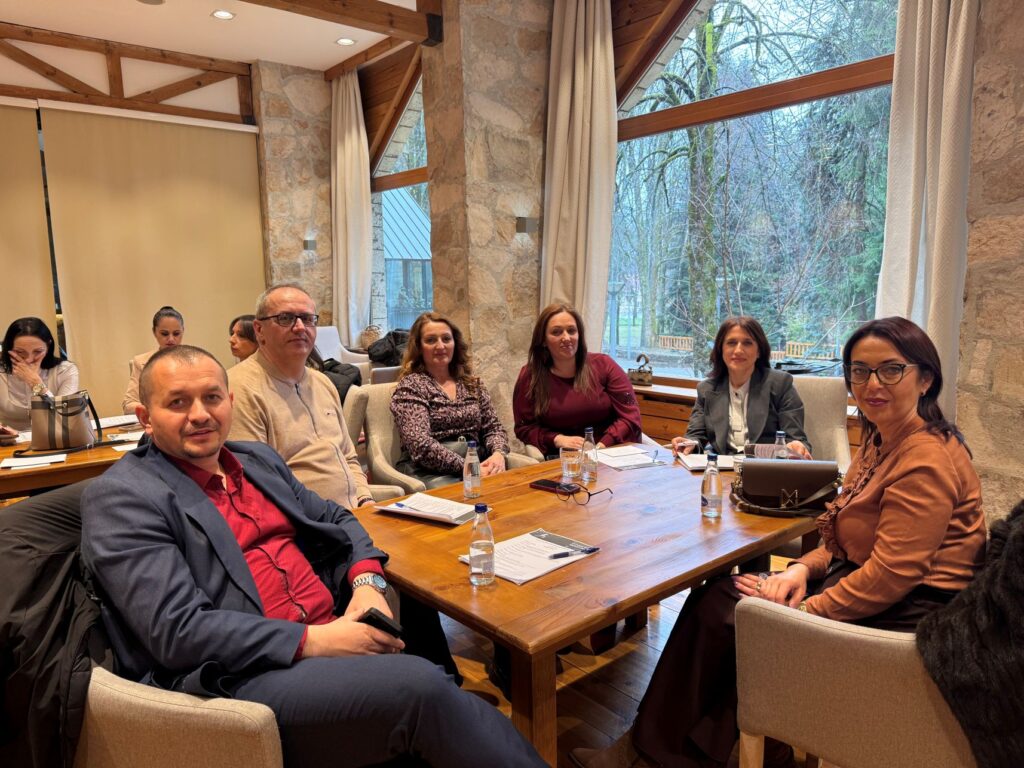
Filip Jovanovski, a doctoral candidate in communication and media studies and associate at the University of Donja Gorica, spoke about different ways to support students experiencing various forms of cyber violence. “These issues are becoming increasingly relevant, both in Montenegro and globally, as the development of digital technologies has also led to new, more complex, and often unpredictable forms of violence,” he noted.
Sava Kovačević, one of the trainers and a primary school teacher at elementary school “Oktoih”, emphasised that the training contributes to raising awareness of responsible behaviour in the digital environment, as well as to developing digital literacy and critical thinking among students. “Empowered with contemporary knowledge and competencies, teachers play a key role in guiding students towards the responsible use of technology,” Kovačević said.
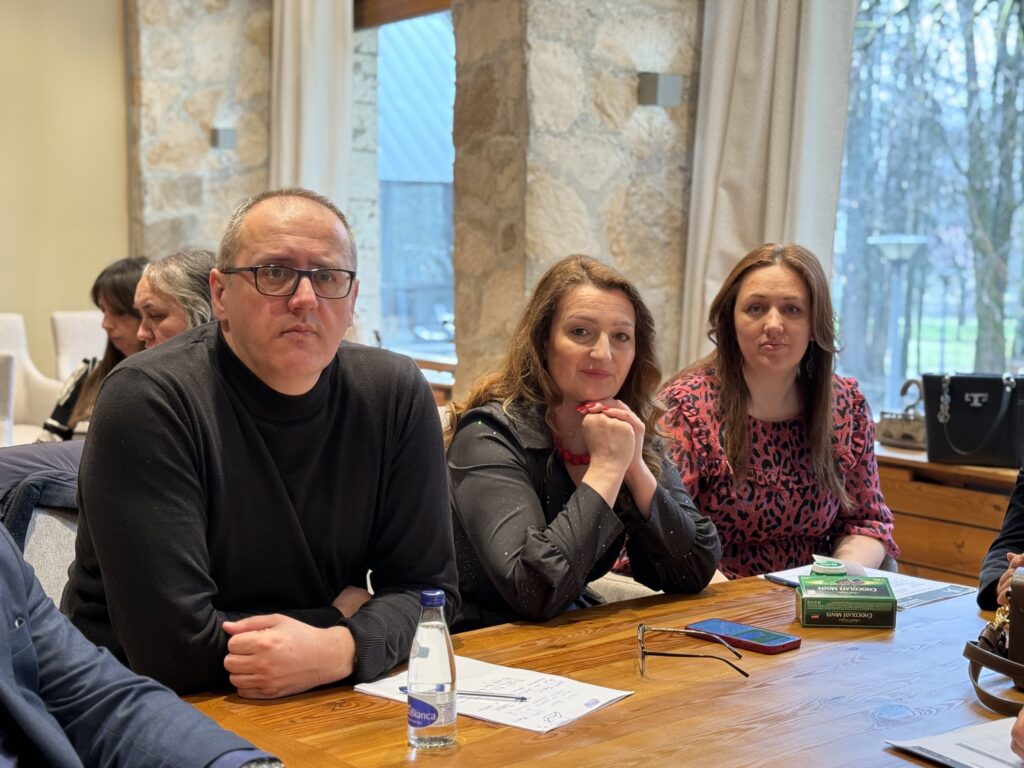
Participants shared positive impressions of the training.
“Training in digital citizenship is a professional necessity, as it enables a better understanding of the digital environment in which students grow up and helps guide them towards responsible, safe, and ethical behaviour online,” said Admir Muradbašić, a teacher of economics subjects at a vocational secondary school in Bijelo Polje. “It is particularly important to raise awareness of digital rights and responsibilities, so that students understand the consequences of their actions in the online space, including respect for copyright and the protection of privacy,” he added.

Biljana Krivokapić, an IT teacher at elementary school “Štampar Makarije” in Podgorica, highlighted that the digital world is constantly evolving and bringing new challenges, making such training particularly valuable. “It is important for both teaching and administrative staff to further strengthen their understanding of the digital environment, so that they can effectively transfer this knowledge to students. It is not enough for young people to know how to use technology – they must learn how to use it responsibly, safely, and consciously,” Krivokapić stated.

“Continuous professional development is an integral part of the teaching profession, and modern education also implies responsible use of technology,” said Saša Vuletić, a chemistry teacher at a secondary mixed school in Herceg Novi. She concluded that “it is important to set an example of safe and ethical behaviour in the digital environment, and to support students in developing their competencies and using technology appropriately for progress.”
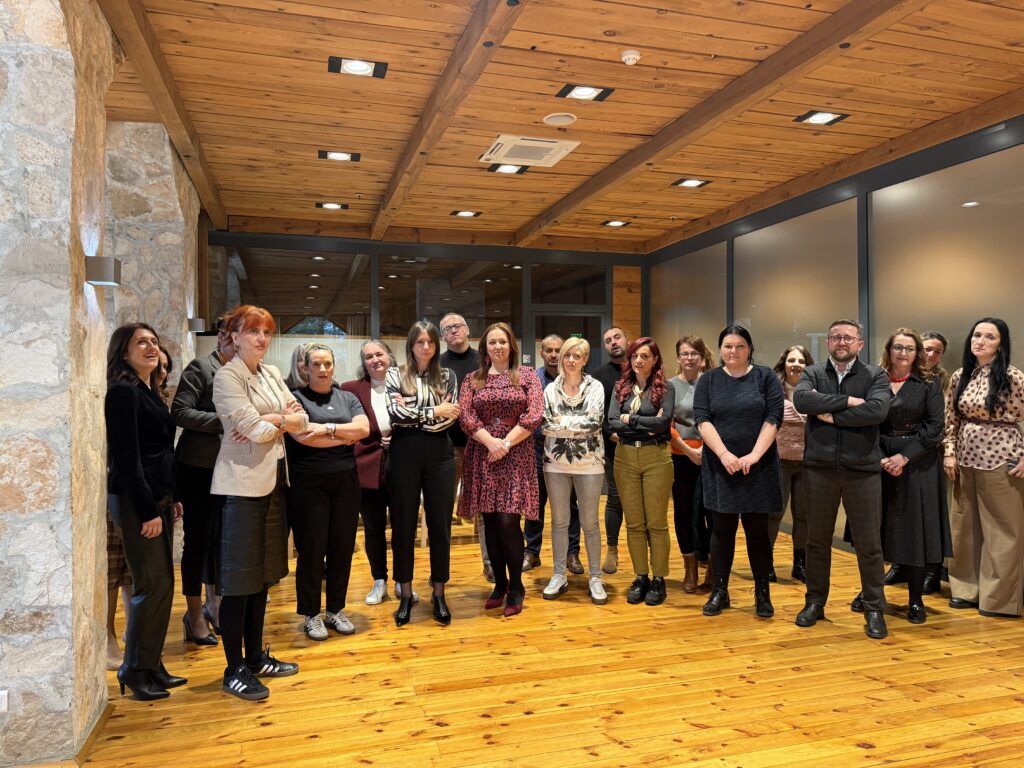
The training is part of the programme “Protection of Rights and Promotion of Digital Citizenship: Montenegrin Digital Shield (MDS)”, implemented by CCE in partnership with the SHARE Foundation, in cooperation with the Agency for Audiovisual Media Services, with financial support from the European Union and co-financing from the Ministry of Regional Investment Development and Cooperation with NGOs.
Alma Hećo, Programme Assistant