
High-quality project management, responsible use of funds, and effective communication with the public are important prerequisites for the sustainability and impact of civil society organisations. Therefore, the continuous enhancement of knowledge and skills, as well as the exchange of experiences among organisations from the region, are essential for the successful implementation of initiatives that respond to the needs of communities, agree the participants of the two-day training organised by the Centre for Civic Education (CCE) for representatives of organisations whose projects have been supported through the programme “Together for LGBTQI+ Equality”.
Sanja Gojević, from the Safe House for LGBTIQ+ Persons of the Wings of Hope Foundation in Bosnia and Herzegovina, assessed the training as highly beneficial, emphasising that the knowledge gained would contribute to higher-quality planning, implementation, and monitoring of project activities, as well as improved financial reporting. “The segment dedicated to communications, visibility, and the promotion of project activities was particularly useful. The knowledge acquired will help us better present our work, reach a wider audience, and further strengthen the organisation’s advocacy activities,” stated Gojević.
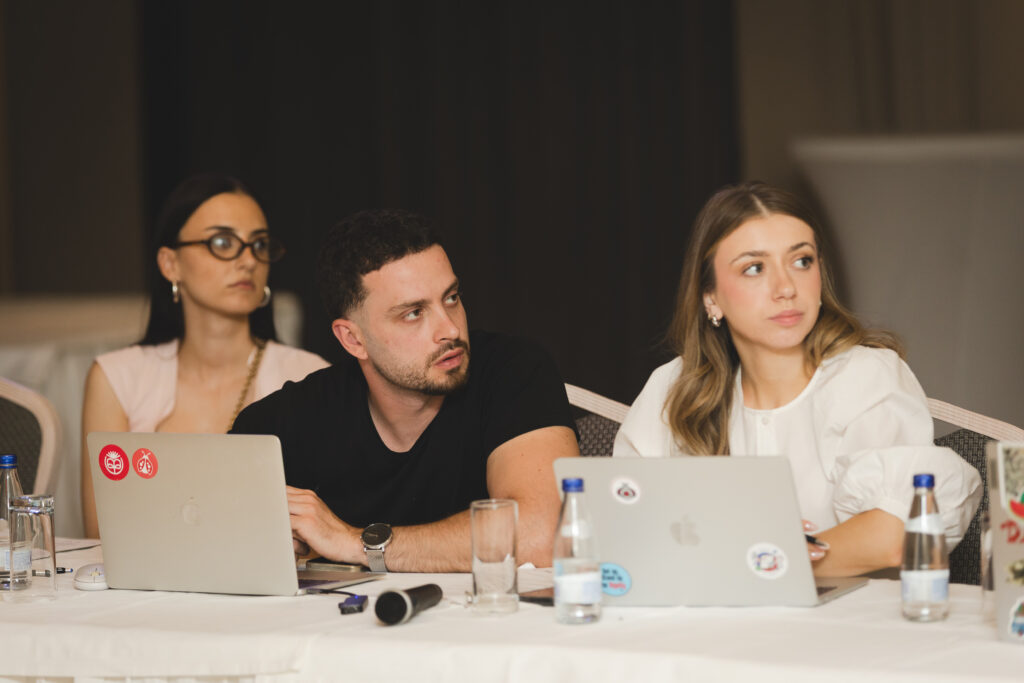
A similar impression was shared by Miljan Vanić, Executive Director of the Union of Social Workers of Kosovo (UPSK). “The training in project management and financial reporting was especially useful, as it will further strengthen our capacities for the high-quality implementation of all activities and the responsible management of allocated funds,” he said.
Dušica Lazova from the NGO Meduza in North Macedonia pointed out that the training contributed to a better understanding of the procedures and standards accompanying the implementation of projects financed through European funds. “The practical experiences and advice we received during the training were particularly valuable. The exchange of knowledge with trainers and participants from across the region was extremely useful and provided us with new perspectives for improving our organisation’s work,” said Lazova.
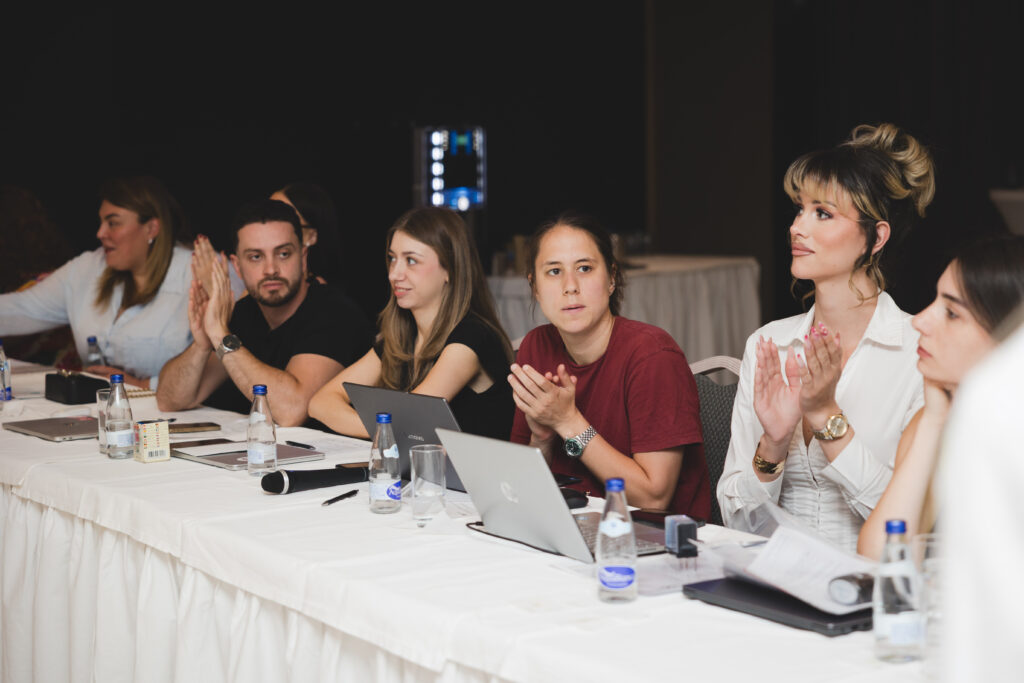
The importance of regional networking and the exchange of good practices was emphasised by Boban Sekulić, Executive Director of HEP Montenegro, who assessed that such training contributes to the sustainability of organisations. “In addition to gaining new knowledge, it was particularly important that we had the opportunity to exchange experiences with organisations from different countries in the region. Such gatherings lead to the creation of new partnerships and open up opportunities for future joint initiatives and projects,” stated Sekulić.
Jelena Cetina, Community Engagement Manager of the group “COME OUT” from Serbia, believes that such meetings are important both for professional development and for connecting organisations. “The training programme was comprehensive, covering topics of particular importance to the work of civil society organisations, as well as successful models and practices,” she noted.
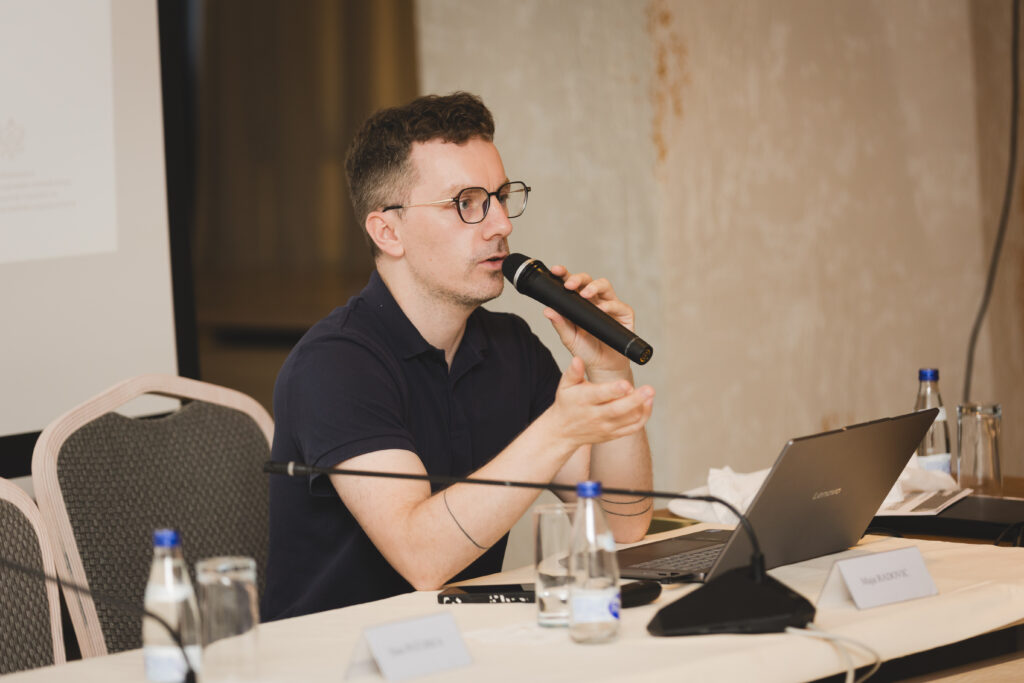
“This training represents an additional form of support for organisations whose projects are funded through the programme ‘Together for LGBTQI+ Equality’, and it is focused on strengthening capacities for managing projects financed by European Union funds,” pointed out Petar Đukanović, CCE Programme Director. “In this regard, organisations have the opportunity to refresh and enhance their knowledge of the rules and procedures of programme and financial project management in accordance with EU regulations, as well as in the fields of visibility and communications, in order to successfully implement their ideas. At the same time, this is an opportunity for organisations from across the region to come together, get acquainted, network, and explore possibilities for cooperation in improving the overall position of LGBTIQ+ persons,” concluded Đukanović.
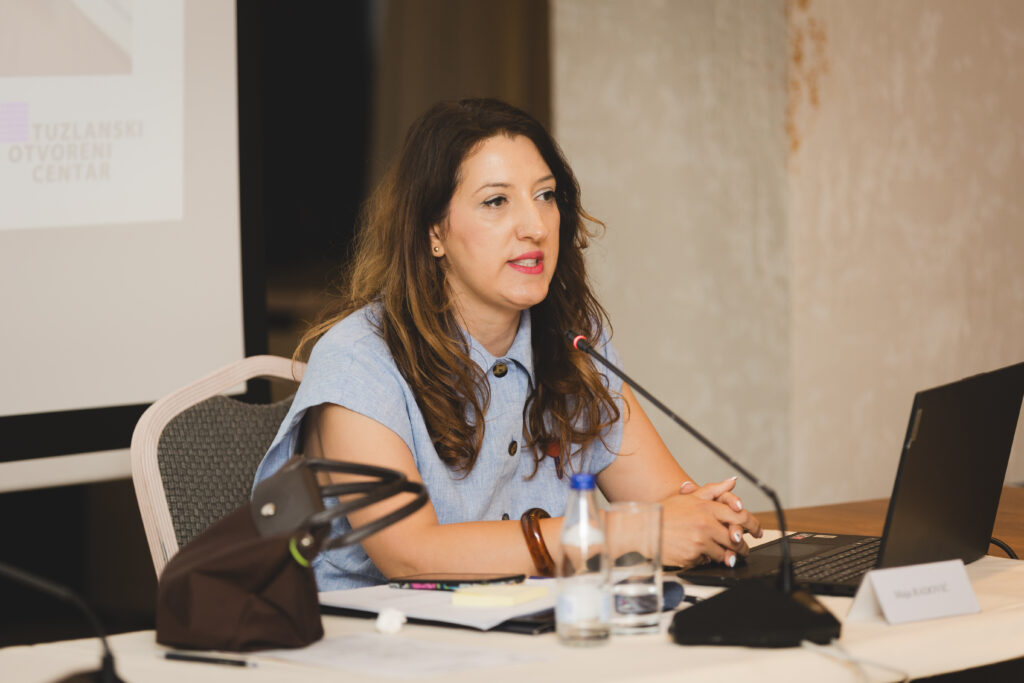
The Together for LGBTQI+ Equality programme is implemented by the Centre for Civic Education (CCE), in partnership with ERA – LGBTI Equal Rights Association for the Western Balkans and Türkiye, Queer Montenegro, Queer Center Skopje, Tuzla Open Center, Open Mind Spectrum Albania (OMSA), and the Center for Social Group Development from Kosovo. The programme is funded by the European Union, with co-financing from the Ministry of Regional-Investment Development and Cooperation with Non-Governmental Organisations.
Alma Hećo, Programme Assistant