
Digital literacy today goes beyond technical knowledge of technology and includes the ability to recognize manipulation, understand how digital platforms and algorithm’s function, protect personal data, and participate responsibly in the online space. Strengthening such knowledge and skills among young people is essential for increasing their resilience to disinformation, hate speech, and other challenges of the digital environment, it was concluded at the three-day Digital Rights Lab for Youth, organized by the Centre for Civic Education (CCE) in Petrovac from 6 to 8 March 2026.
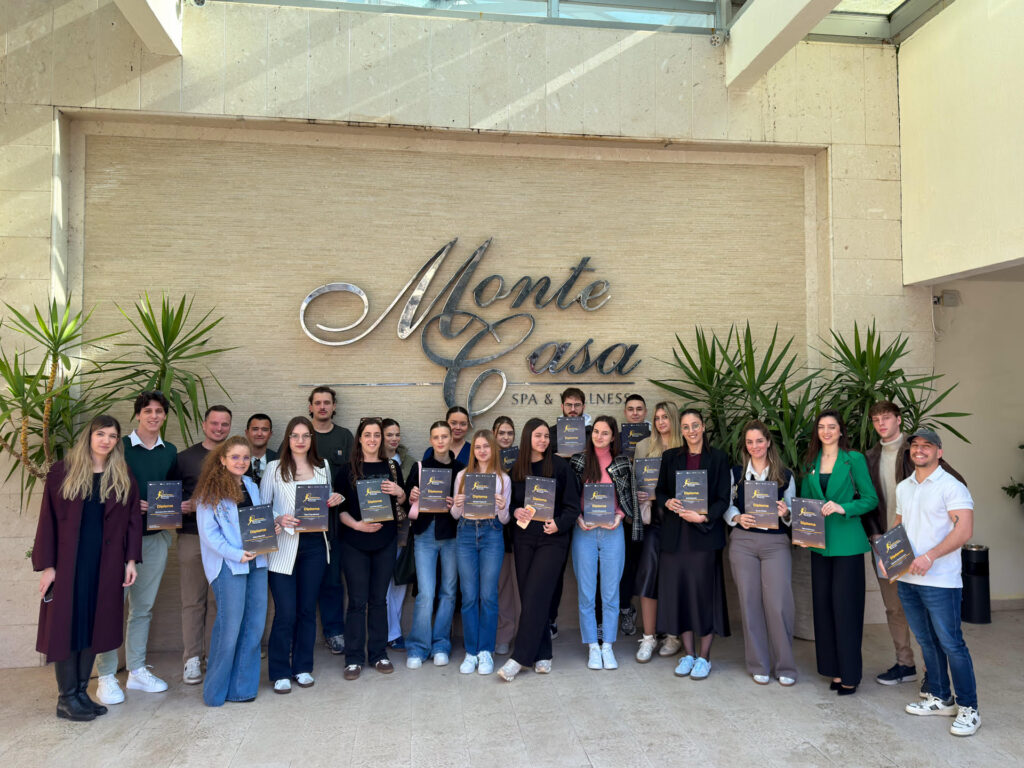
The second generation of the Digital Rights Lab gathered 26 young participants from 12 Montenegrin municipalities: Podgorica, Ulcinj, Nikšić, Kolašin, Berane, Bijelo Polje, Pljevlja, Herceg Novi, Tuzi, Plav, Mojkovac, and Budva. Through interactive sessions and discussions with 11 lecturers from academia, civil society, and the technology sector, participants had the opportunity to deepen their understanding of digital rights, online safety, freedom of expression, hate speech, digital activism, and the impact of artificial intelligence on contemporary society.
“At the workshop AI, Influence and Responsibility: What (Not) to Leave to Algorithms? we addressed the increasingly important question of how artificial intelligence systems influence decisions that shape our everyday lives. From content recommendations and employment to finance and public policies, algorithms increasingly play a role in processes that were once exclusively human. Through concrete examples and case studies, we discussed the limits of automation, transparency, and accountability, but also where technology can be a powerful support tool and where it is important to retain human judgment and responsibility,” said one of the lecturers, Tamara Pavlović, a data engineer.

The programme also focused on digital security issues affecting those working in media and civil society. “Digital surveillance of journalists and activists does not only represent a direct violation of their rights but also produces broader consequences for freedom of expression. Even when individuals are not directly targeted, the mere possibility of such surveillance can lead to a chilling effect and self-censorship among their colleagues. Therefore, it is important to understand the consequences digital surveillance has for media freedom, as well as the precautionary measures journalists and activists can take to protect their communication and professional work,” emphasized Jovan Jablan, a PhD candidate in AI Law at the Central European Academy in Budapest, who also led one of the sessions.
During the three-day programme, participants explored various aspects of digital rights through lectures, workshops, and discussions, including the right to be forgotten, hate speech in the digital sphere, the psychology of digital manipulation, digital activism, media literacy, and the influence of artificial intelligence on contemporary society. According to participants, the programme offered an opportunity to view the digital space from a new perspective and gain knowledge applicable to everyday internet use.
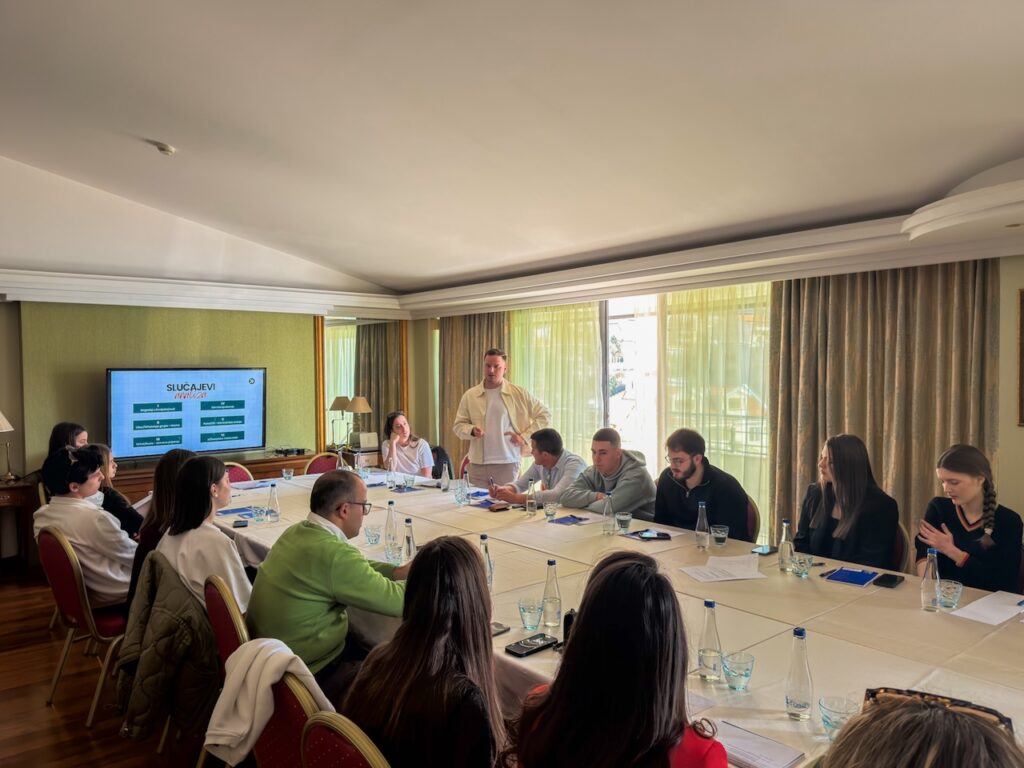
“Participating in the Digital Rights Laboratory was very interesting for me because it was the first time I had the opportunity to reflect on the internet and everything happening in the digital space in this way. The sessions on hate speech and media literacy were particularly useful, as I realized how important it is to recognize harmful content and disinformation. This experience encouraged me to use social media more carefully and to think more about my rights and responsibilities online. I plan to discuss these topics with my peers because I believe it is important for young people to understand the impact the digital environment has on us,” said participant Ida Crnovršanin from Bijelo Polje.
A similar impression was shared by Danijel Karađinović, a participant from Ulcinj, who emphasized the importance of understanding the risks that digital platforms can pose to privacy and everyday decision-making. “The Digital Rights Laboratory succeeded in bringing into focus something that is often taken for granted – our privacy. Understanding the risks that digital platforms carry is an important part of the personal responsibility of every citizen operating in the modern digital environment. I was particularly interested in the session on the psychology of digital traps, which demonstrated how platforms influence our decisions, attention, and habits,” he noted.

Milena Boričić from Podgorica also highlighted the importance of such programmes for better understanding the digital space, noting that the Laboratory helped her gain additional insight into the legal aspects of digital rights and privacy protection. “This programme expanded my perspective on the digital space from the professional standpoint of a legal practitioner. I found the workshops on digital rights and the right to be forgotten particularly relevant for my work. It was useful to examine how national legislation is applied in this field, as well as how European regulations, such as the GDPR, establish standards for the protection of personal data and digital rights. I intend to apply the knowledge gained in my professional work, especially in the context of protecting privacy and digital identity in the digital environment,” she said.
The Digital Rights Lab for Youth is part of the programme “Protection of Rights and Promotion of Digital Citizenship – Montenegrin Digital Shield (MDS)”, implemented by the Centre for Civic Education (CCE) in partnership with the SHARE Foundation and the Agency for Audiovisual Media Services, with financial support from the European Union and the Ministry of Regional-Investment Development and Cooperation with NGOs. Through this programme, CCE aims to contribute to strengthening digital literacy, improving the understanding of digital rights, and encouraging more responsible participation of citizens in the digital space.
Aleksandra Mihaljević, Project Assistant