
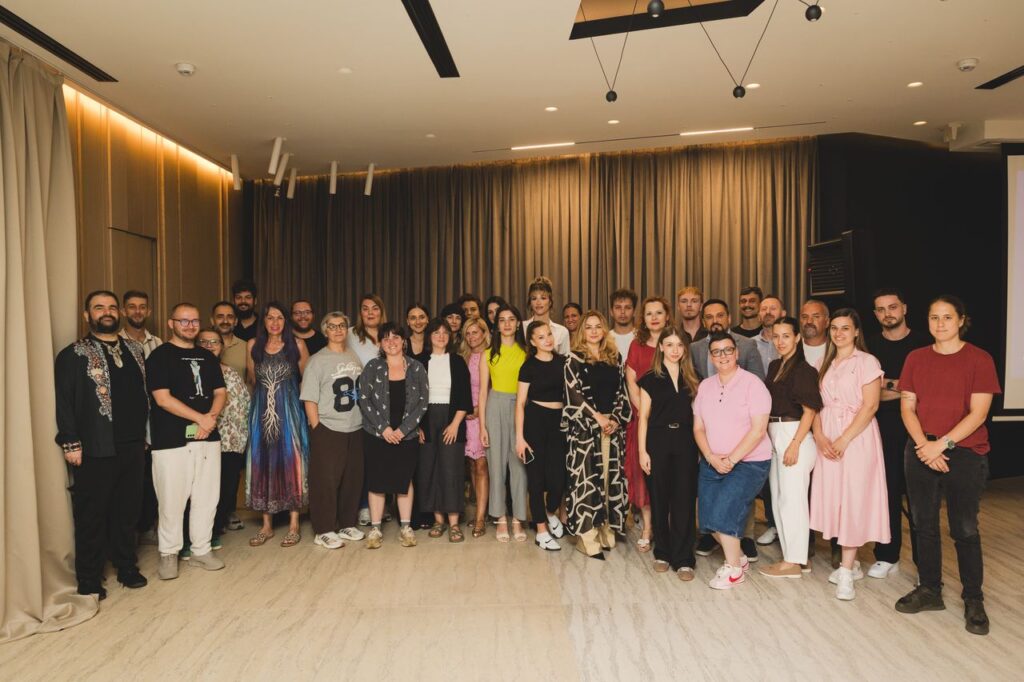
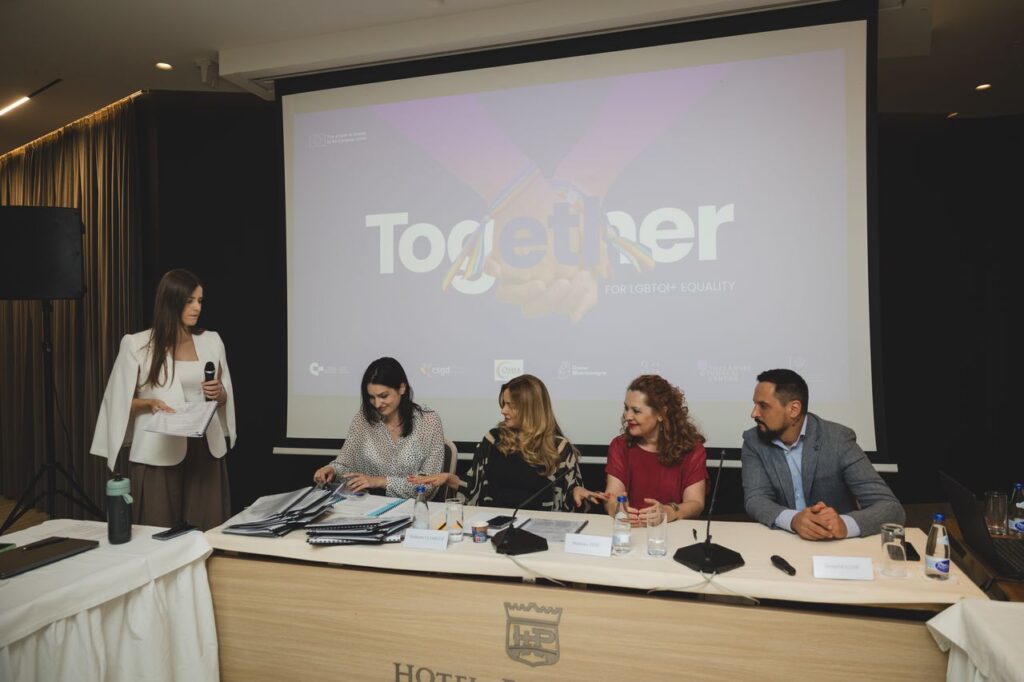
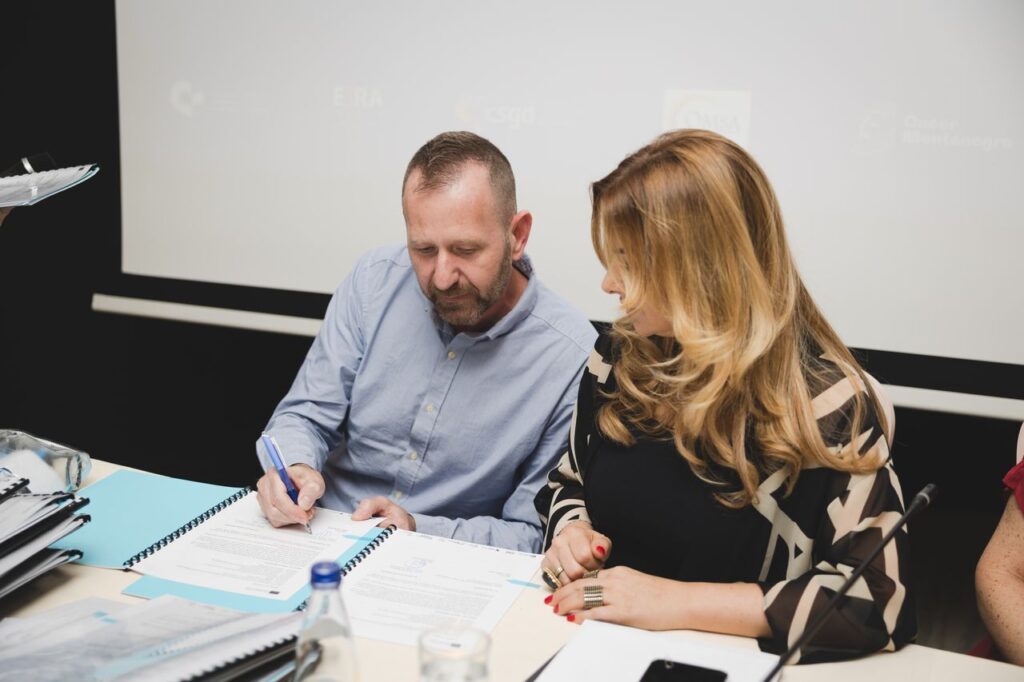
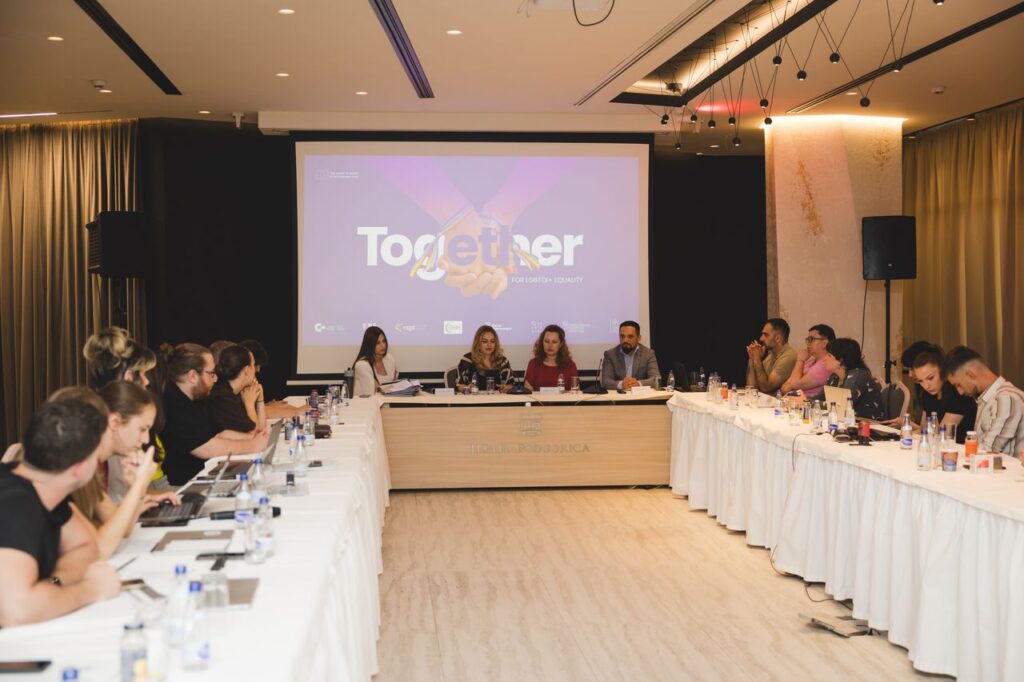
The results of these projects will contribute to tangible improvements in the lives of LGBTIQ+ persons while also strengthening democratic values across the region. Among the supported organisations are both those with extensive experience and smaller organisations bringing fresh energy, innovative approaches, and a strong commitment to their communities. This combination of experience and new perspectives represents an important resource for the further development of the LGBTIQ+ movement and civil society in the region, it was highlighted today during the signing of contracts with 19 organisations from the region under the second call of the Together for LGBTQI+ Equality programme.
“We live in a time when human rights are increasingly becoming the subject of political manipulation, when hate speech and discrimination are finding new avenues through digital platforms, and when civil society organisations are often targeted by pressure and smear campaigns. This is why it is important that we continue to build networks of solidarity, cooperation, and mutual support, because no organisation can respond to the challenges we face on its own. This programme is not merely an investment in individual projects. It is an investment in a stronger and more resilient civil society, in regional cooperation, and in a shared vision of societies where human rights are protected and diversity is accepted and respected,” said Daliborka Uljarević, Executive Director of the Centre for Civic Education (CCE).
“EU enlargement is a historic opportunity. Civil society is an indispensable actor in participatory democracy and social development, which is particularly relevant in the EU accession process, where reforms affect society as a whole and must be implemented with the engagement and support of citizens,” said Mladenka Tešić, Programme Manager at the Delegation of the European Union to Montenegro. Referring to the position of LGBTIQ+ persons in Montenegro, she stressed that their legal protection should be further strengthened and that ten laws still need to be harmonised with the Law on Life Partnership of Same-Sex Persons. She also recalled the significant efforts invested by the EU in supporting the adoption of the Draft Law on Legal Gender Recognition Based on Self-Determination. “We are aware that all of you operate in a challenging environment, and one of the key benefits of regional projects is the opportunity to exchange experiences, receive support, and gain new ideas from colleagues. We hope that the experience and progress achieved in Montenegro will serve as an inspiration to others,” Tešić concluded.
“Discrimination, hate speech, and violence remain present, while the growing influence of anti-gender and anti-rights movements is particularly concerning, as they challenge hard-won rights and hinder further progress. In such an environment, civil society organisations provide essential support to the community through legal and psychological assistance, advocacy for legislative improvements, monitoring the implementation of regulations, and educating institutions and the wider public. At the same time, regional cooperation enables the exchange of experiences, joint advocacy efforts, and the strengthening of organisational resilience in an increasingly demanding environment,” assessed Danijel Kalezić, Executive Co-Director of ERA – LGBTI Equal Rights Association for the Western Balkans and Türkiye, emphasising that supporting LGBTQI+ organisations is an investment in democracy, human rights, and more inclusive societies.
Organisations from Montenegro, Serbia, Bosnia and Herzegovina, Kosovo, and North Macedonia have been awarded a total of EUR 306,645.41 to implement initiatives addressing the specific needs of the communities in which they operate – from providing legal support and increasing the visibility of LGBTQI+ persons to working with young people, conducting research, and advocating for public policies.
Hristina Piskulidis, Community Coordinator at Labris from Serbia, emphasised that this support is particularly important because it enables the continuation of work with rainbow families, an area that rarely receives dedicated funding. “Twenty rainbow families will receive free legal assistance during the project, while the research and strategy we are developing will serve as a powerful advocacy tool for improving the legal status of same-sex unions in Serbia,” explained Piskulidis.
“Through research, dialogue, and joint activities, we aim to contribute to reducing prejudice, increasing community visibility, and empowering young people to actively promote equality and human rights. It is particularly important to us that the project recognises young people as drivers of social change and includes them as active creators of initiatives that promote respect for diversity,” said Ivana Kulašević from Juventas, Montenegro.
Andrea Todić from ACDC in Kosovo also highlighted the importance of support for local communities where LGBTQI+ initiatives are only beginning to establish their space for action. “For us, this means the continuation of the first LGBTQI+ initiative in northern Kosovo. It is especially important for the community because its members are finally gaining a space where they can express themselves and be visible in public,” said Todić, adding that the project will contribute to education on gender and sexual identities, strengthening community advocacy, and reducing discrimination.
Greater visibility of the LGBTQI+ community, a better understanding of the challenges its members face, and creating space for discussions about their rights are among the key expectations of the project implemented by the Centre for Civil Society Promotion (CPCD) from Bosnia and Herzegovina. “We are not a media outlet focused exclusively on LGBTQI+ rights, and that is precisely why it is important for these issues to appear alongside other content related to the work of civil society organisations and broader social topics. In this way, we contribute to greater visibility of the community and a better understanding of rights that are guaranteed but too often insufficiently respected,” explained Rubina Čengić, Editor of the Objavi.ba portal.
Darko Gligorijević from the Unmuted.rs portal, operating within Reflektor Theatre in Serbia, stressed the importance of creating space for dialogue and encouraging more active youth engagement in discussions on equality and human rights. “Through participatory theatre, media content, and audience engagement, we aim to foster understanding, empathy, and more active civic participation in promoting equality and reducing discrimination,” said Gligorijević.
“Through this project, we will collect relevant data and recommendations that can contribute to improving access to healthcare, HIV services, and sexual and reproductive rights for this often overlooked group. For the community we focus on, this support means greater visibility of their experiences and needs, as well as creating a stronger foundation for advocating policies and services that are inclusive, accessible, and grounded in human rights,” said Ninoslav Mladenović, Project Coordinator of EGAL from North Macedonia.
The Together for LGBTQI+ Equality programme is implemented by the Centre for Civic Education (CCE), in partnership with ERA – LGBTI Equal Rights Association for the Western Balkans and Türkiye, Queer Montenegro, Queer Center Skopje, Tuzla Open Center, Open Mind Spectrum Albania (OMSA), and the Center for Social Group Development from Kosovo. The programme is funded by the European Union, with co-financing from the Ministry of Regional-Investment Development and Cooperation with Non-Governmental Organisations.
Aleksandra Mihaljević, Project Assistant