
Hate speech in the Western Balkans is increasingly becoming normalized in the public sphere, while the lack of media literacy further complicates its recognition and suppression. A continuous and coordinated approach is needed to counter harmful narratives, reduce social divisions, and ensure that media serve the public interest, it was concluded at the panel discussion “Hate Speech and Media Literacy,” organized by the Centre for Civic Education (CCE) during an event that gathered representatives of organizations from the Western Balkans whose projects are supported through the programme “Advancing Media and Information Literacy for Democratic Engagement – MedIA-Lit.”
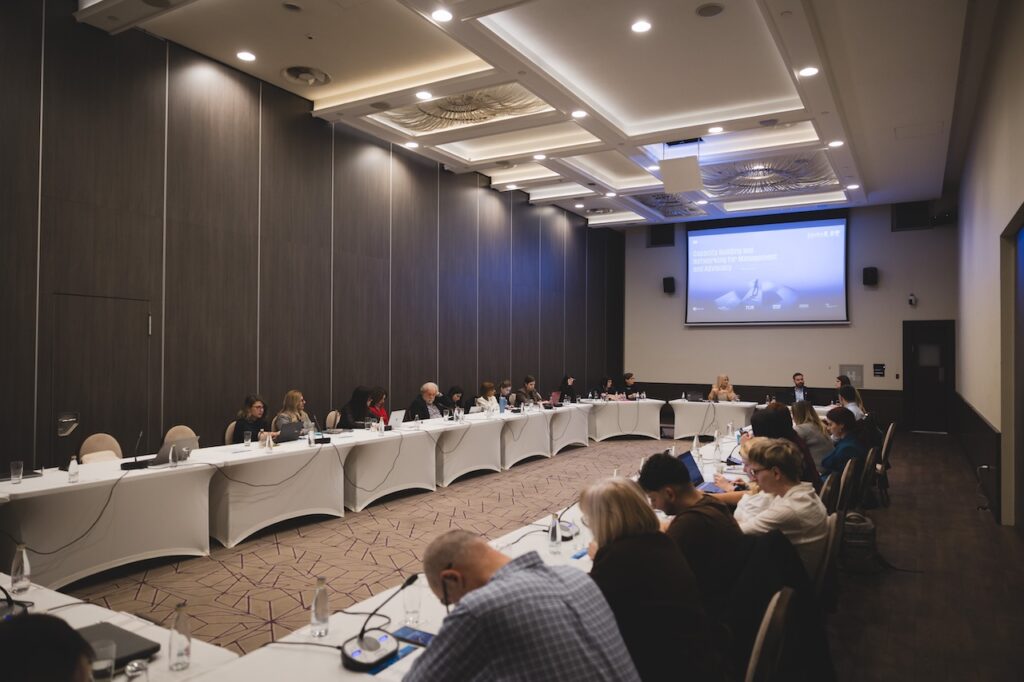
The discussion focused on the growing presence of hate speech in the public sphere, weaknesses in institutional responses, and the importance of strengthening media literacy as a key tool for countering harmful narratives. The substantive discussion brought together representatives of NGOs, foundations, and media from Montenegro, Albania, Bosnia and Herzegovina, North Macedonia, and Serbia. A common thread was concerning trends reflected in political pressure on media and critics, the spread of disinformation, the normalization of hate speech, and inadequate protection for journalists and other public actors.
Milka Tadić-Mijović, President of the Center for Investigative Journalism in Podgorica, emphasized that unresolved attacks on journalists remain among the most serious problems in Montenegro’s media sector, recalling the murder of Duško Jovanović and the wounding of Olivera Lakić. “Journalists are exposed to pressure and intimidation from political structures, while a particular problem is posed by unregistered online portals that spread disinformation and propaganda, further undermining public trust in the media,” Tadić-Mijović assessed.
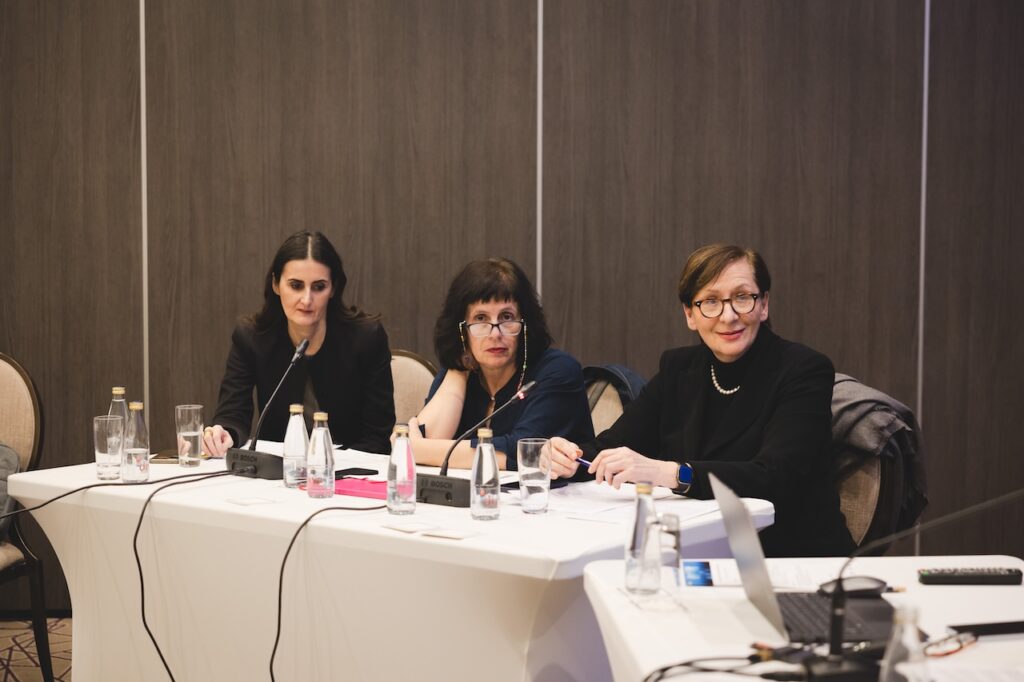
Maida Muminović, Executive Director of the Mediacentar Foundation from Sarajevo, spoke about the challenges facing media in Bosnia and Herzegovina. “These include strong political and economic pressures that narrow the space for independent journalism, the political instrumentalization of media, and the introduction of restrictive legal solutions that further limit freedom of expression and encourage self-censorship. At the same time, the lack of transparency in ownership and financing, as well as the weakening of professional standards, contribute to public distrust and distance the media from their fundamental role—serving the public interest,” said Muminović.
Diego Abedinaj, Project Coordinator at the Tirana Center for Journalism Excellence (TCJE), pointed to the strong links between political and economic interests and media ownership in Albania. “Such a situation creates financial dependency that leads to self-censorship and weakens editorial independence, while political polarization further contributes to the normalization of hate speech in the public sphere. This is compounded by a lack of media literacy, leaving audiences vulnerable to manipulation and disinformation,” he stated.
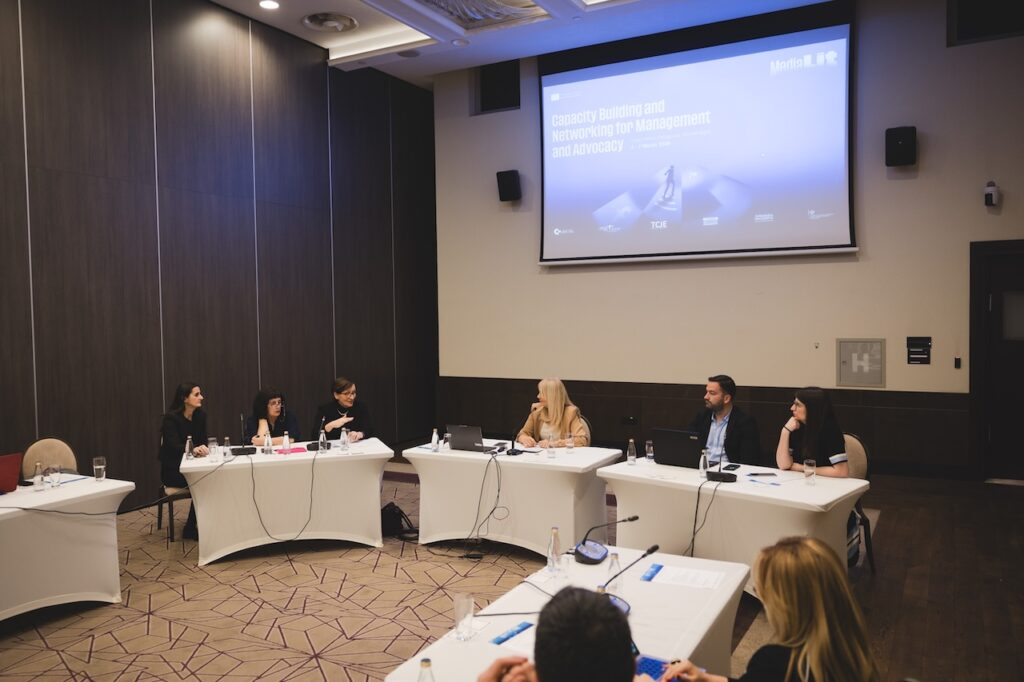
Similar trends are also observed by organizations in Serbia. Ivana Lalić-Majdak, Project Coordinator at the “Right to Picture and Word” Foundation from Belgrade, highlighted a significant increase in hate speech and harmful narratives over the past year and a half. “Gender-based and ethnic patterns of hate are increasingly used in attacks against students, activists, journalists, and civil society organizations in Serbia, while the regulatory framework often fails to ensure accountability for media outlets that violate professional and legal standards,” Lalić-Majdak warned.
Biljana Bejkova, Executive Manager of the NGO Info-center from Skopje, emphasized that hate speech is also a serious social problem in North Macedonia. “This is particularly evident when it is directed toward ethnic communities, LGBTI+ persons, and women in public life. Although a legal framework exists, its implementation remains inconsistent and largely reactive. Without stronger institutional accountability and systematic investment in media literacy, harmful narratives will continue to deepen social divisions,” Bejkova concluded.
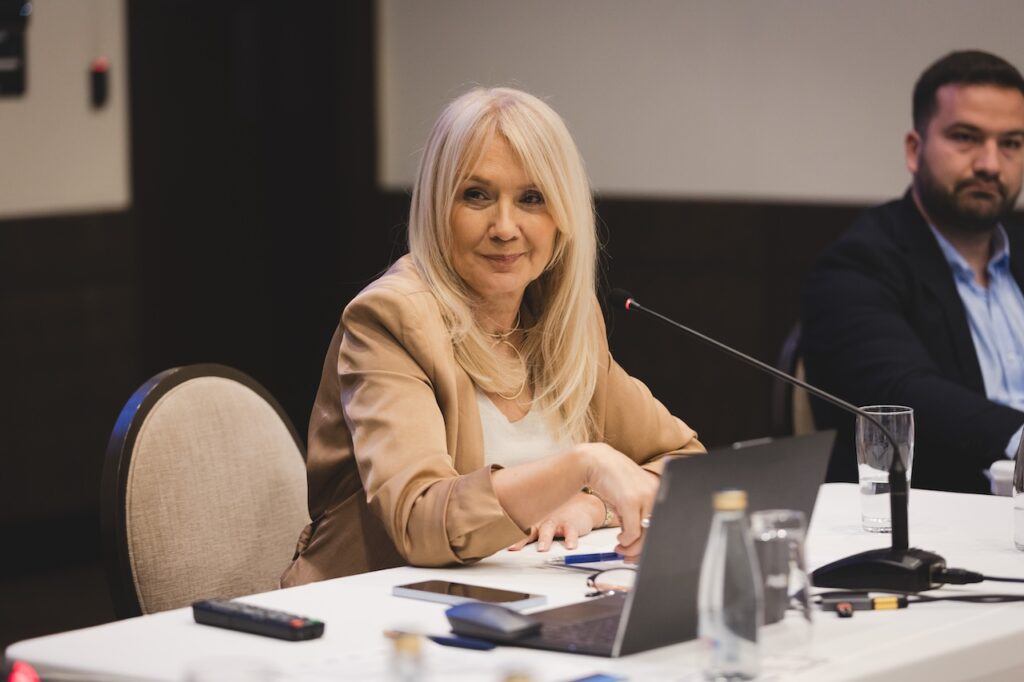
Panelists, together with participants who actively contributed to the discussion, and under the moderation of Zvezdana Kovač, Director for Strategy and Communications at CCE, clearly emphasized that the fight against hate speech is inseparable from the development of media literacy, strengthening professional standards in the media, and increasing institutional accountability. It was stressed that individual initiatives are not sufficient, and that regional cooperation, intensive exchange of experiences, and systematic capacity-building of organizations working to improve the media environment are essential.
The “MedIA-Lit” programme is implemented by the CCE in partnership with the Helsinki Committee for Human Rights in Serbia (HCHRS), the Helsinki Committee for Human Rights in North Macedonia (MHC), the Tirana Center for Journalism Excellence in Albania (TCJE), and the Atlantic Initiative (AI) from Bosnia and Herzegovina, with financial support from the European Union and co-financing from the Ministry of Regional-Investment Development and Cooperation with NGOs of the Government of Montenegro.
Željka Zvicer, Programme Associate