
Support for independent journalism and the advancement of media literacy are crucial for strengthening democratic processes and increasing society’s resilience to disinformation. This represents significant support in times of crisis in the region to help contribute to a professional media environment, it was highlighted today during the ceremony of signing contracts with non-governmental organizations, production and media companies whose projects were supported through the programme “Advancing Media and Information Literacy for Democratic Engagement – MedIA-Lit.” The event was organized by the Centre for Civic Education (CCE).
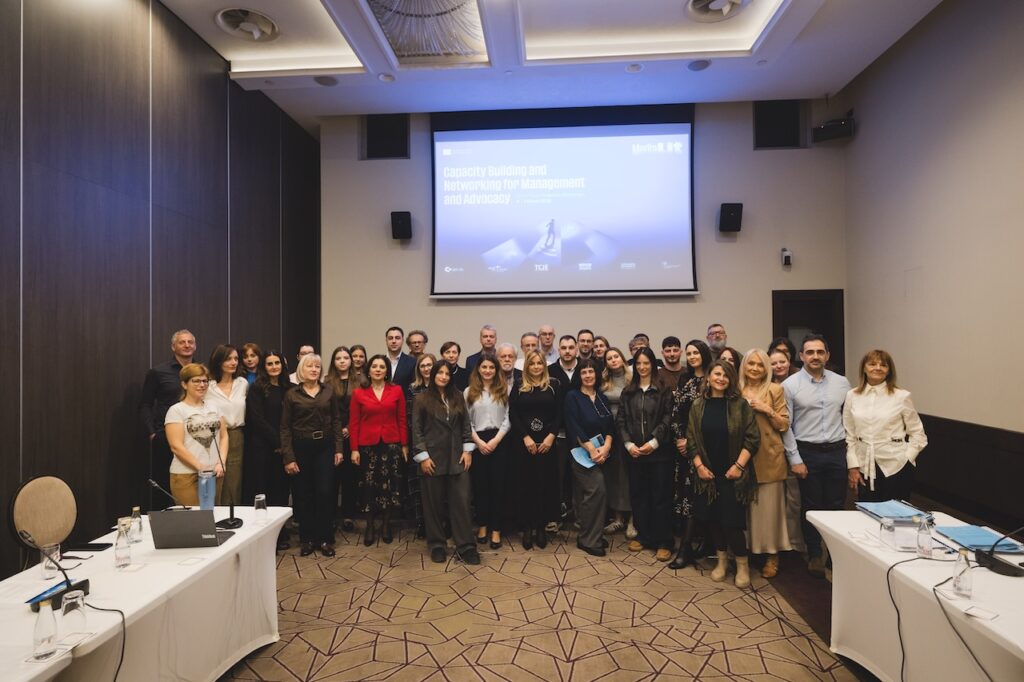
A total of 88 civil society organizations from the Western Balkans applied to the first call under this programme, requesting a combined amount of EUR 1.63 million, compared to the EUR 400,000 available. Following the final evaluation, 21 organizations from Montenegro, Albania, North Macedonia, Serbia and Bosnia and Herzegovina received support for their submitted project ideas in the total amount of EUR 394,624.81.
“This program is a unique regional initiative that strengthens civil society, promotes transparency and encourages cross-border cooperation, empowering local organizations to address key social challenges and advance democratic values. These contracts represent more than funding—they symbolize trust, responsibility and our shared commitment to the Europeanization of the region,” said Daliborka Uljarević, Executive Director of CCE, during the signing of the contracts with representatives of civil society organizations.
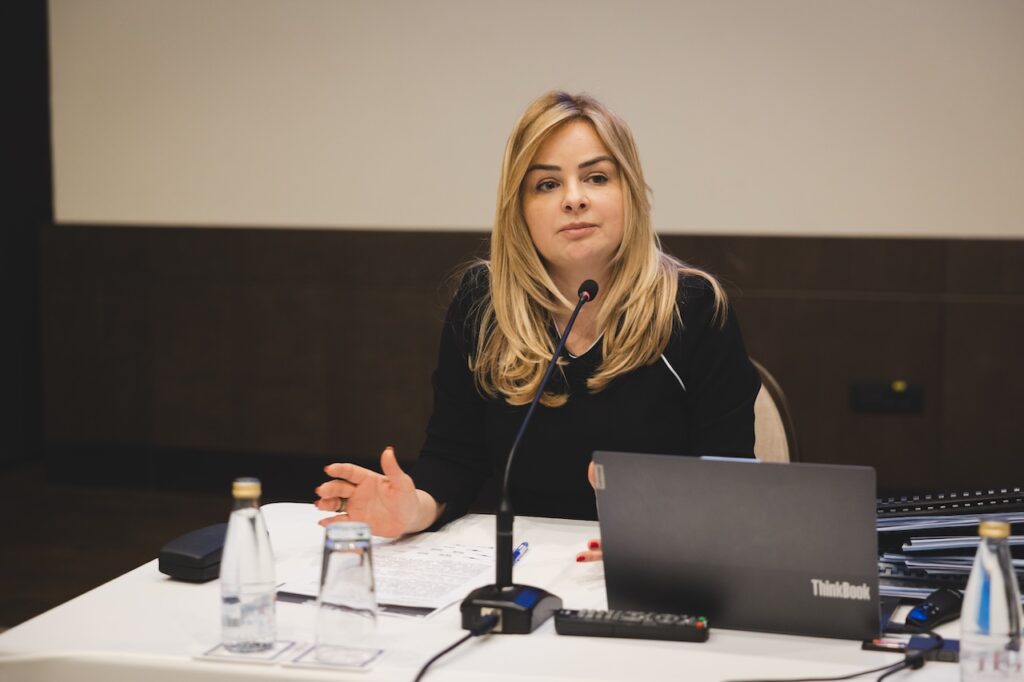
“In journalism, the most important thing is to tell a story in its proper context, in a truthful, impartial, humane and responsible manner. Guided by these principles, contained in our Journalists’ Code, our project aims to promote ethical standards – particularly the integration of self-regulatory guidelines for the use of online sources, social media and artificial intelligence in the daily work of journalists and media outlets,” stated Olivera Nikolić, Director of the Montenegrin Media Institute, emphasizing that ethical journalism is key to working in the public interest, restoring trust in the media, and protecting against disinformation, manipulation and hate speech.
Bjanka Stanković, President of the organization PINA Skopje from North Macedonia, also stressed that at a time when AI is rapidly transforming the media landscape, it is important to carefully monitor and thoughtfully use new tools in everyday journalistic work. “Through this project, our organization aims to empower young people and women journalists in North Macedonia to develop as confident, ethical and media-literate professionals. We believe it is our responsibility to continuously invest in education and professional development to create stronger and more credible stories and preserve the trust of the audience,” she noted.

“Hate speech is violence in the making. Nearly all wars, cases of violence, or attacks on individuals and groups have begun with hate speech, whether passive or active. If it sometimes seems that some evil appeared without warning, it only means that we failed to recognize it in time, that we have become desensitized to hate speech and have started to perceive it as normal,” said Eldin Karić, Executive Director of the Media Development and Analysis Center from Bosnia and Herzegovina, whose project focuses on this issue.
The importance of involving young people in responsible information-sharing was highlighted by Besmira Lekaj, Executive Director of the HA.N.A Youth Center H.A.N.A from Albania, while presenting the organization’s project. “It is not about being a controlling force in the community, but about civil society acting as a guardian of public resources. Our young people currently have limited access to independent, fact-based information about local developments. Through this project, we want to provide young people with the skills and platforms to do what journalism should do—hold those in power accountable through evidence, not ego. If we demonstrate that independent reporting is possible and that young people can be credible voices of change, then we have done our job,” she said.
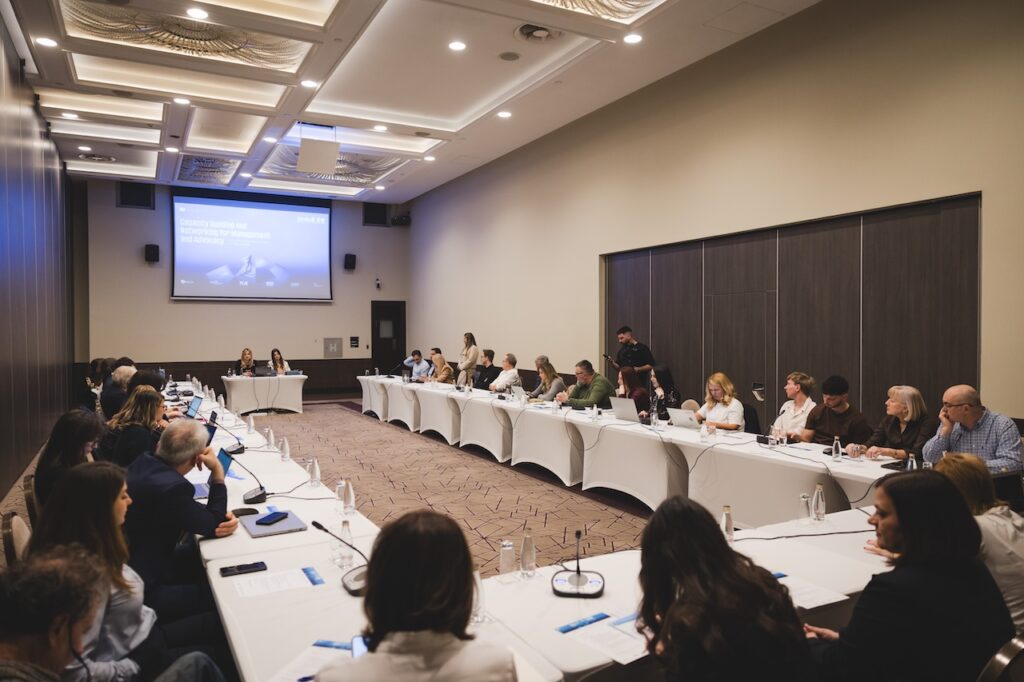
The project of the Novi Sad School of Journalism also focuses on young people. Its director, Milan Nedeljković, said that the current moment is difficult for everyone in the NGO sector due to global developments. “Global circumstances are such that they do not enable continuous work. We were pleasantly surprised when this initiative received support, and I believe we will succeed in working together with other organizations on what we are committed to. Our project is related to young people and will be implemented in two directions. We will train young activists to use media, and young journalists to convey that to the audience,” Nedeljković emphasized.
The “MediaLit” programme is implemented by CCE in partnership with the Helsinki Committee for Human Rights in Serbia (HCHRS), the Helsinki Committee for Human Rights in North Macedonia (MHC), the Tirana Center for Journalism Excellence in Albania (TCJE), and the Atlantic Initiative (AI) from Bosnia and Herzegovina, with financial support from the European Union and co-funding from the Ministry of Regional Investment Development and Cooperation with NGOs of the Government of Montenegro.
Marlena Ivanović, Programme Associate