
Across the former Yugoslavia, societies have still not fundamentally come to terms with the past at several levels, and many questions from the 1990s remain unanswered. In the meantime, new generations have come of age, which makes it necessary not only to foster dialogue between societies that were once in conflict, but also dialogue between generations within the same societies. This was one of the key messages from the second intergenerational dialogue organised today by the Centre for Civic Education (CCE) at the Europe House in Bijelo Polje.
The dialogue brought together young people born after 2000, who did not personally experience the wars of the 1990s but live with their long-term consequences, as well as members of older generations who witnessed or took part in social and political processes during that period. Around 30 participants had the opportunity to exchange personal experiences, views, and perceptions, as well as to jointly re-examine dominant narratives, myths, and prejudices related to that period.
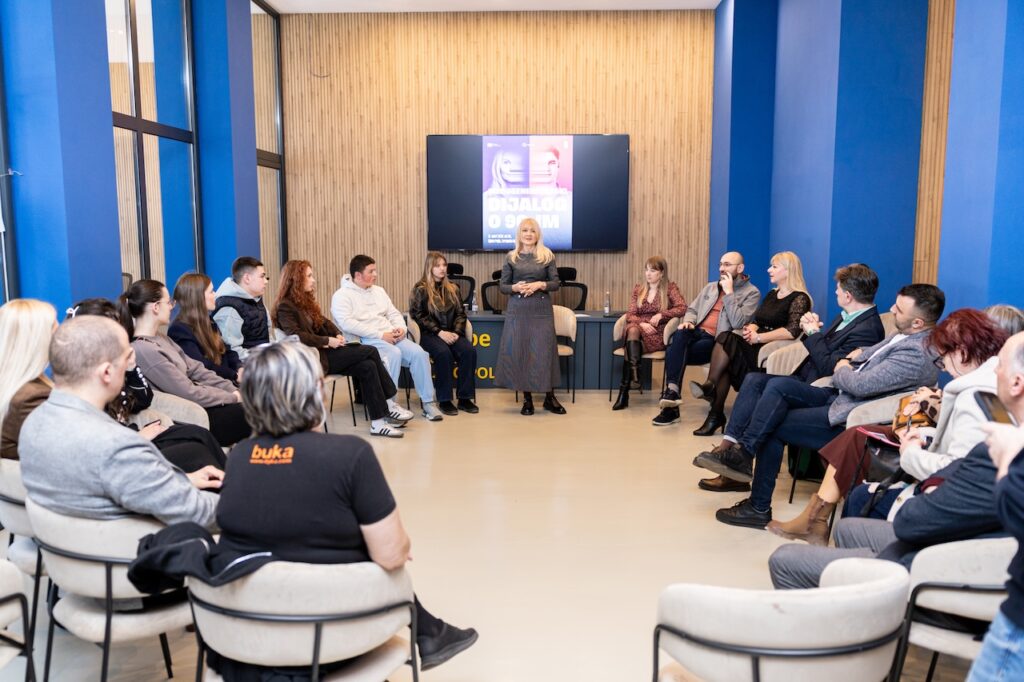
Zvezdana Kovač, CCE’s Director of Strategy and Communications, who moderated the dialogue, assessed that many issues from the 1990s remain unresolved. “Older generations carry personal memories and experiences of the events from that time, while young people, although they did not live through the 1990s, grow up in societies where different interpretations of those events are still very present – through the education system, media, political discourse, but also through family memories. In that sense, we can also speak about transgenerational trauma, meaning the transfer of the emotional and narrative legacy of conflict to generations that did not personally experience those events,” Kovač noted.
She emphasised the importance of opening a conversation that can help both on the individual and societal level, highlighting the need for societies to deal with the difficult legacy of the past in a more mature way. “It is necessary to change the perception that critically examining the past threatens national interests and to enable young people to understand the complexity of the past, develop critical thinking, and become responsible and open-minded citizens,” Kovač stressed, adding that young people often show greater readiness for dialogue than is commonly assumed.
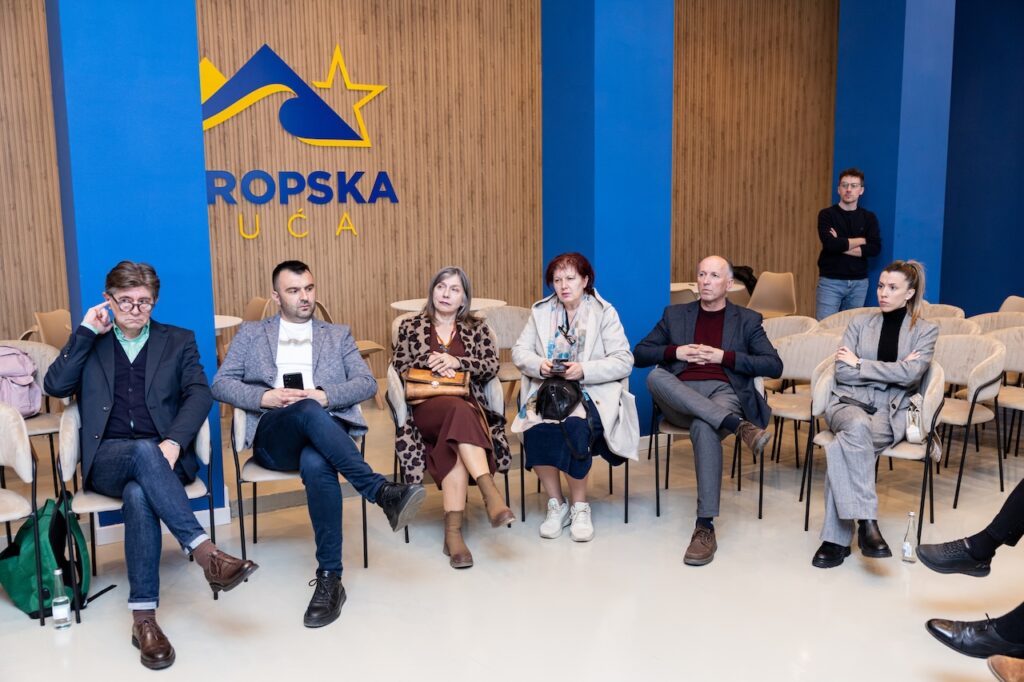
During the discussion, participants highlighted that the events of the 1990s, like history itself, can and should be viewed from multiple perspectives, and that open dialogue among different groups – including dialogue between generations – does not represent a threat to society but rather an important and strengthening resource.
Younger participants pointed to the insufficient representation and limited access to topics related to the 1990s within formal education, noting that lessons are often brief and knowledge is frequently memorised without critical reflection or a deeper understanding of the causes and consequences of the events. “For this reason, open discussions and intergenerational dialogue have particular value, as they enable young people to view the past in a more complex way, develop critical thinking and build empathy for victims, while also questioning how events from that period are taught and commemorated today,” they noted.
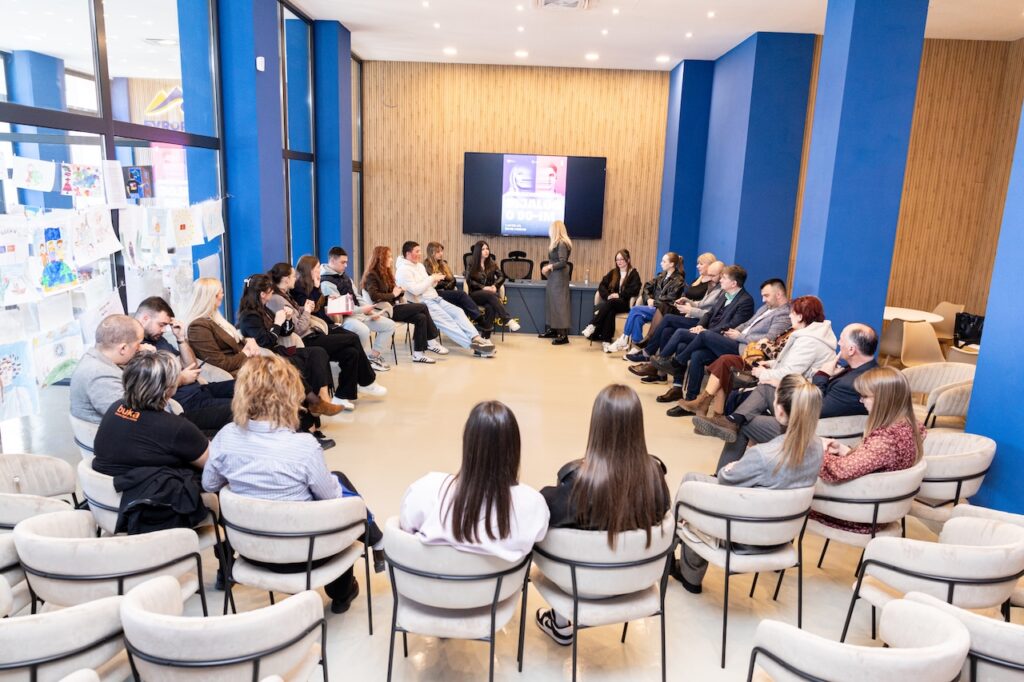
Older participants emphasised that the state has still not fully confronted war crimes, including cases such as “Deportations,” “Bukovica,” and “Štrpci,” as well as other crimes in which state structures were involved, stressing that sincere reconciliation is difficult to expect while responsibility for past events has not been clearly examined.
The importance of interculturality, particularly in multiethnic environments, was also highlighted, with participants noting that the concept is often used declaratively, while in practice genuine understanding and respect for diversity are still lacking.
Young participants stressed the importance of learning from past mistakes, while older generations emphasised empathy and broader perspectives when reflecting on past events. They noted that critical thinking, fact-checking, and readiness for dialogue are essential for strengthening trust, preventing new conflicts, and building a society free of divisions based on religion, ethnicity, or identity.
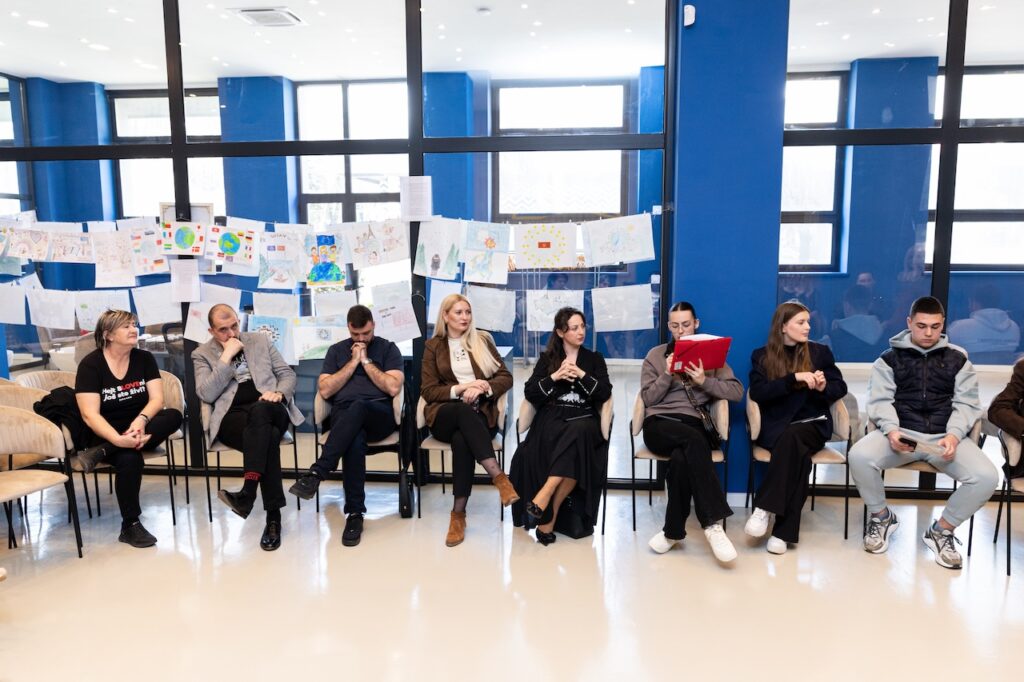
“Change must begin with the individual, through the willingness to reassess one’s own views and mistakes, in order to reduce tensions and divisions inherited from the 1990s,” the participants concluded.
The aim of this gathering was to contribute to a more critical understanding of the past, a clearer distinction between historical facts and politically instrumentalised narratives, as well as to strengthen intergenerational communication and trust, which are essential for building a more responsible future.
The dialogue was organised within the CCE project “Understanding the Past to Build Trust and Transitional Justice”, implemented as part of the regional programme EU Support to Confidence Building in the Western Balkans, funded by the European Union and implemented by the United Nations Development Programme (UNDP).
Itana Gogić, Programme Assistant