
The system addressing peer violence and juvenile delinquency remains insufficiently developed and coordinated, which requires stronger prevention, enhanced intersectoral cooperation, and a greater focus on support, education, and resocialisation of young people, it was highlighted during the second panel, “How to Respond to Peer Violence and Juvenile Delinquency?”, held as part of the closing conference of the project “SRCE: Supporting the Empowerment and Resilience of Youth Today”, implemented by the Centre for Civic Education (CCE) in partnership with the Regional Academy for Democratic Development (ADD), with the support of the Delegation of the European Union to Montenegro and co-financing from the Ministry of Public Administration.
The panel highlighted the role of Parliament and political actors in addressing these issues, as well as the need for stronger prevention and improved intersectoral cooperation. Particular attention was given to the effectiveness of the existing legal framework, the application of alternative measures, and the capacities of institutions working with children and young people, including staff specialisation and responses to emerging forms of violence, particularly in the online environment.
It was emphasised that issues of peer violence and juvenile delinquency are often marginalised in public and political discourse, while institutional responses are frequently reactive, occurring after serious incidents, rather than being systematic and preventive.
“Society does not sufficiently address the root causes of peer violence. We must strengthen institutions and invest more in prevention, especially given the worrying trends such as early alcohol consumption, gambling, and the increasing use of psychoactive substances among youth. The value system of society and attitudes towards education are crucial in shaping young people’s behaviour,” stated Boris Mugoša, Deputy Chair of the Committee on Health, Labour and Social Welfare of the Parliament of Montenegro. He also stressed the importance of parliamentary oversight of institutions, noting that responses from both the system and society are often not commensurate with the seriousness of the problem.
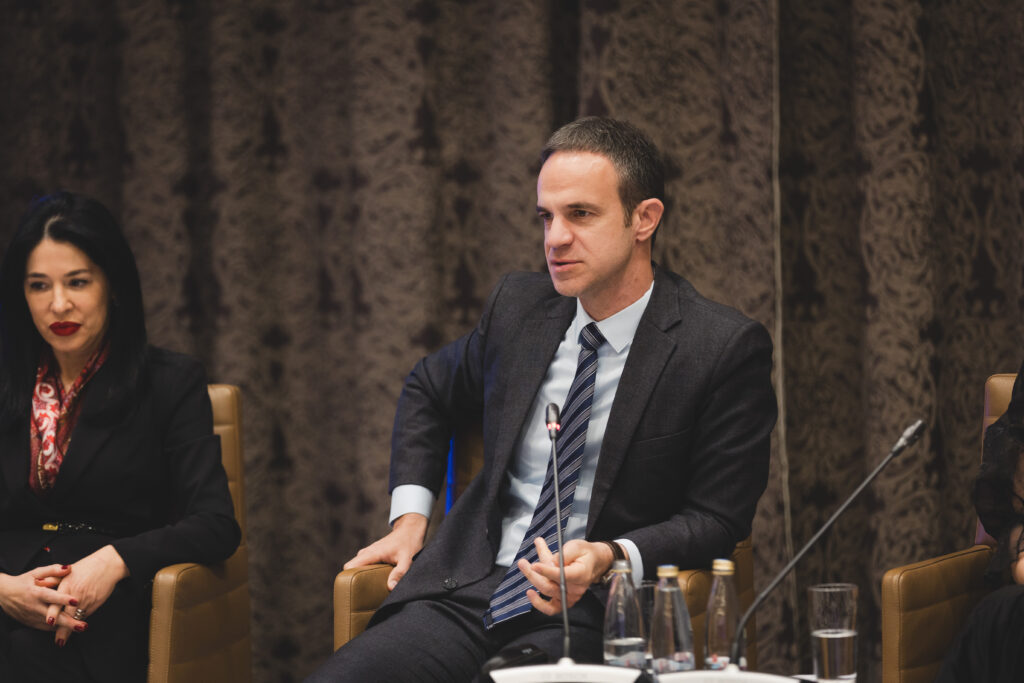
Zoja Bojanić Lalović, member of the Committee on Education, Science, Culture and Sports, underlined that peer violence is not sufficiently prioritised by institutions and is often treated as a sectoral issue, although it requires a broader societal response. “The role of the education system in prevention is crucial. It is necessary to strengthen the educational and developmental function of schools, foster empathy, improve the capacities of teaching staff, develop socio-emotional skills, enhance media literacy, and invest more in extracurricular activities and non-formal education for young people,” she stated.

Independent MP Dragan Bojović emphasised that peer violence is not merely an individual issue, but a reflection of broader societal values. “This is why education, dialogue, and strengthening cooperation between families, schools, and communities are essential. We must also develop preventive mechanisms suited to the modern digital environment. Ultimately, promoting positive examples in society and the media is key to building a healthier social environment,” he noted.

Panel participants stressed the need to strengthen coordination between institutions – schools, the police, prosecution offices, and social work centres – as the lack of systemic interconnectedness remains one of the key weaknesses of the system. Without a coordinated response, peer violence and juvenile delinquency remain serious societal challenges with long-term consequences.
“Peer violence is part of a broader social context and requires a coordinated response. The lack of professional staff, system overload, and insufficient support for families further complicate the situation. Society often stigmatises children who commit criminal offences, even though they are often themselves victims of adverse circumstances. The focus must be on the protection and development of the child, rather than solely on punishment, and the effectiveness of alternative measures depends on the cooperation of all actors within the community,” said Dijana Popović Gavranović, Head of Department at the Supreme State Prosecutor’s Office.
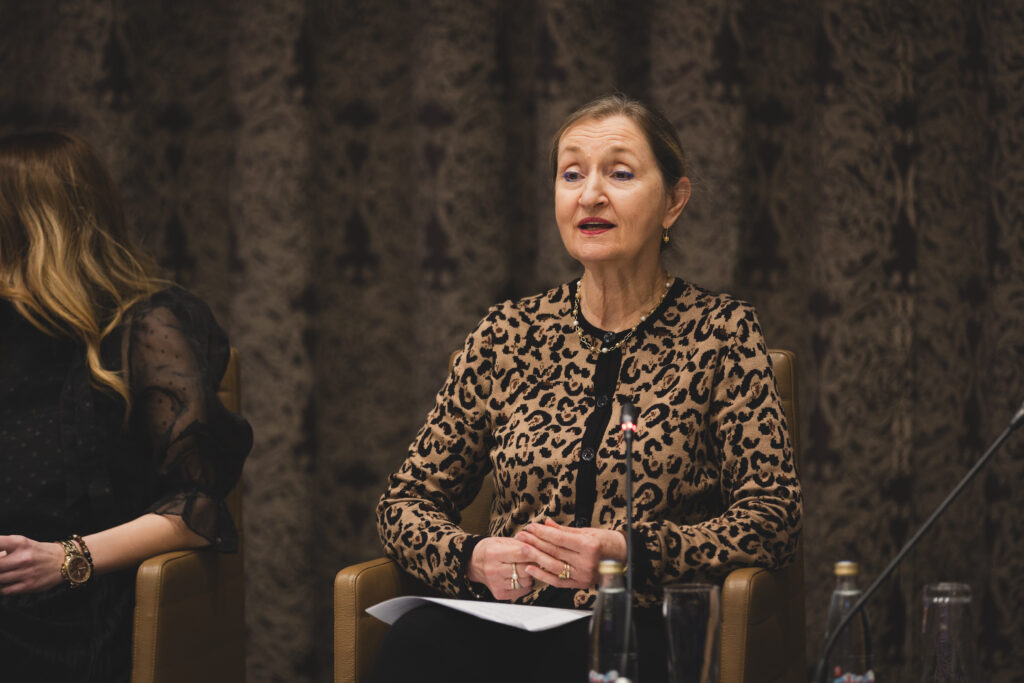
Dalida Mučić, Senior Police Inspector, pointed to the limited capacities of the system for working with juveniles. “In 2025, 431 criminal offences committed by minors were recorded, including a significant number of repeat offenders, which highlights the need for earlier and more systematic intervention. Particular challenges exist in the digital sphere, where online violence is becoming increasingly prevalent, compounded by difficulties in cooperation with global platforms,” she stated.

It was concluded that progress in this area will be reflected in a more open societal approach to the problem, with a stronger focus on support, understanding, and reintegration of young people, as well as prevention, education, and resocialisation. Additional priorities include strengthening socio-emotional skills, media literacy, and non-formal education, alongside greater support for educational institutions and teaching staff. Tangible progress will also be measured through more effective prevention, improved coordination, and a reduction in cases of violence. The increased visibility of positive examples and achievements of young people in public discourse and the media was also identified as an important indicator of societal progress, contributing to a more supportive and constructive social environment.
Aleksandra Mihaljević, Project Assistant